Transverse Rail Defects: Types, Detail Fractures & Failure Analysis
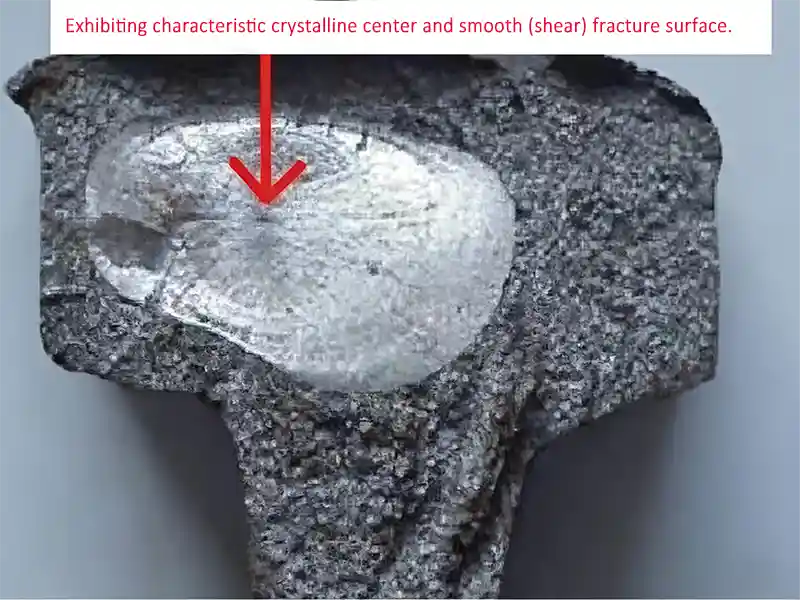
Transverse rail defects refer to fatigue cracks that develop in a plane perpendicular to the longitudinal direction of the rail.
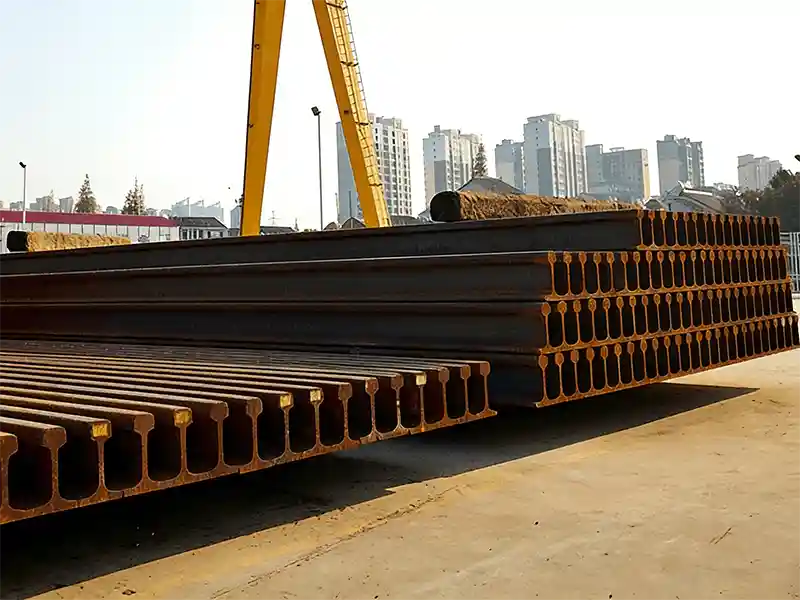
Steel rails are the backbone of any railway infrastructure. Their storage quality directly impacts the safety and long-term stability of the track laying process.
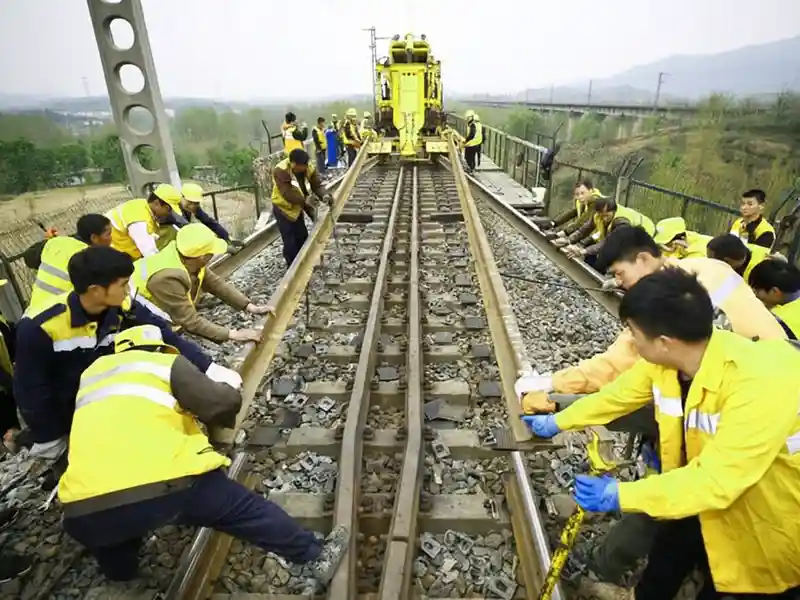
One of the biggest advances in railway engineering is the switch from conventional jointed tracks to Continuous Welded Rail (CWR).
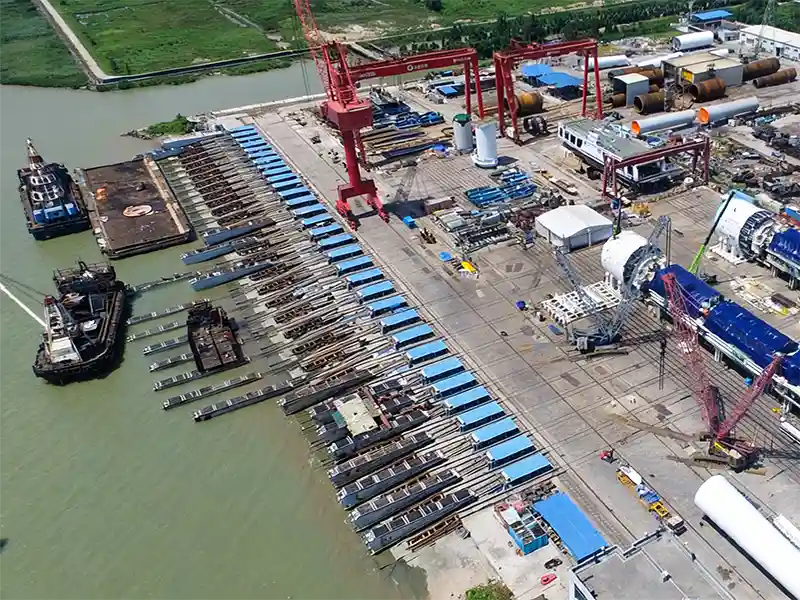
In medium and small-scale shipyards, the safe transition of a vessel from land to water (and vice versa) depends on a specialized heavy-load infrastructure: the rail-mounted mechanized slipway.
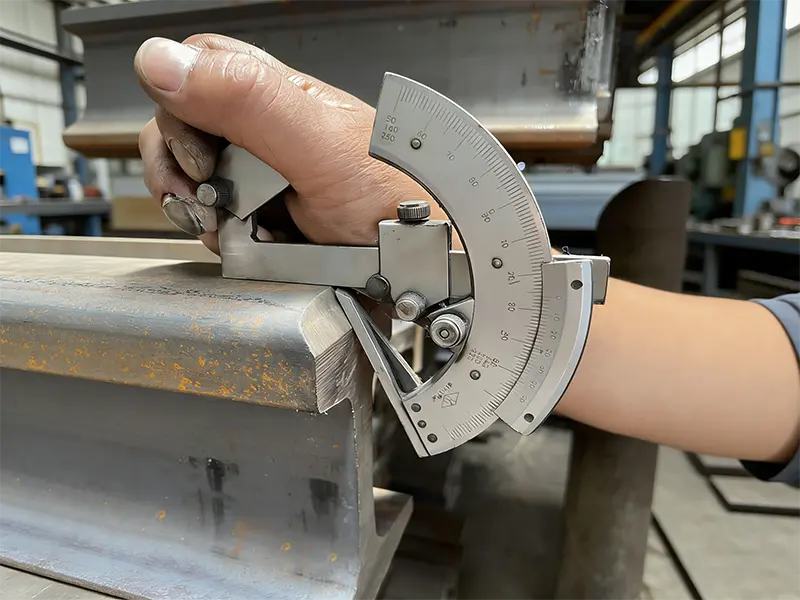
While often overshadowed by the welding process itself, rail head beveling—the precise machining of geometric slopes at the rail ends—is a critical prerequisite.
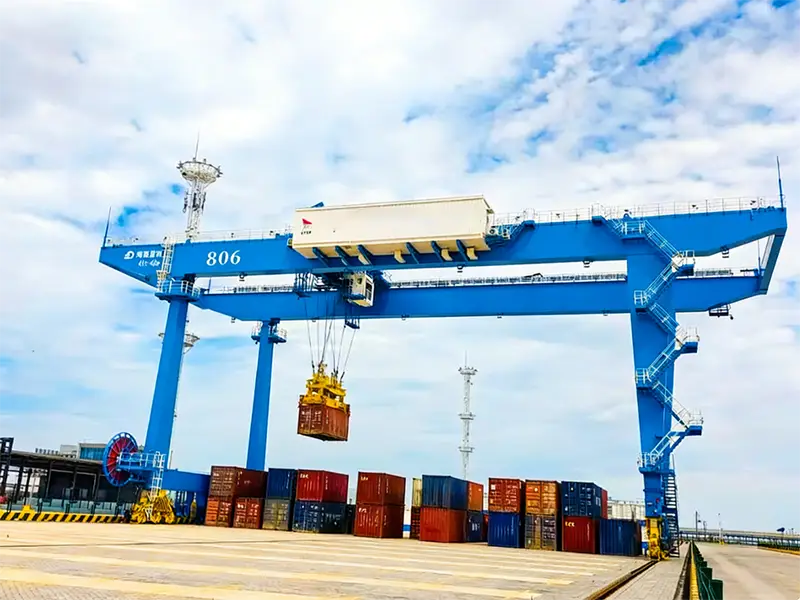
Crane rail wear is a common issue in container and bulk terminals, where rails are exposed to heavy loads, frequent start-stop operations, and corrosive marine conditions.
Crane rail sweepers are essential safety features that are mounted on gantry and overhead cranes. They are made to clear foreign objects, scale, and debris from rail surfaces.
Rail lubrication is a critical maintenance strategy for heavy-haul railways, which are characterized by high axle loads, massive traffic volumes, and frequent small-radius curves.
Railway lines are not ideally straight. Due to terrain, urban planning, and operational constraints, curved tracks are inevitable. As the component that directly supports and guides trains, rails must precisely match the geometric shape of the track.
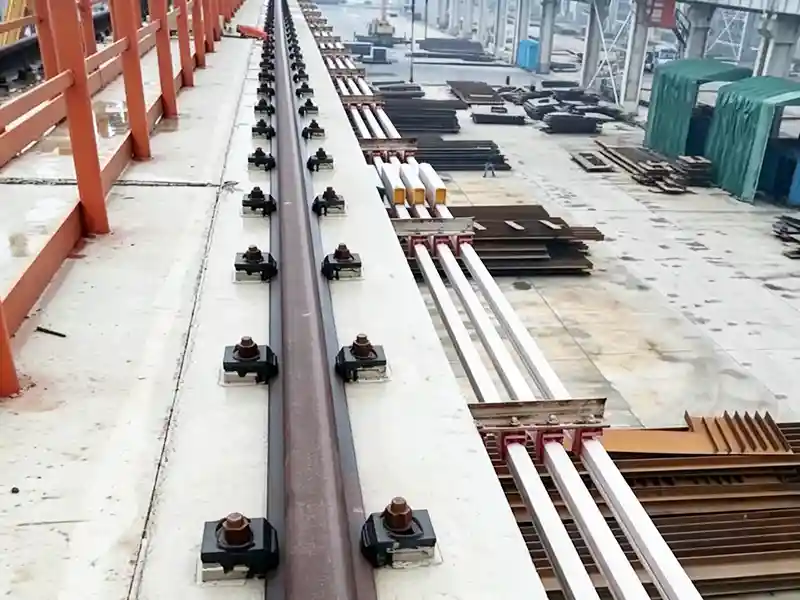
Rail clips for cranes are the critical components that connect the rail to the supporting foundation, responsible for transferring loads, maintaining gauge, and absorbing dynamic impacts.