Crane Rail System Solutions
High-strength crane rail and rail fastening solutions for overhead cranes, gantry cranes, ports, steel mills, and industrial rail systems.
- Multiple rail standards available
- Complete rail fastening solutions
- Custom processing & cutting support
- Technical support for crane rail installation
Hot Crane Rails for Sale
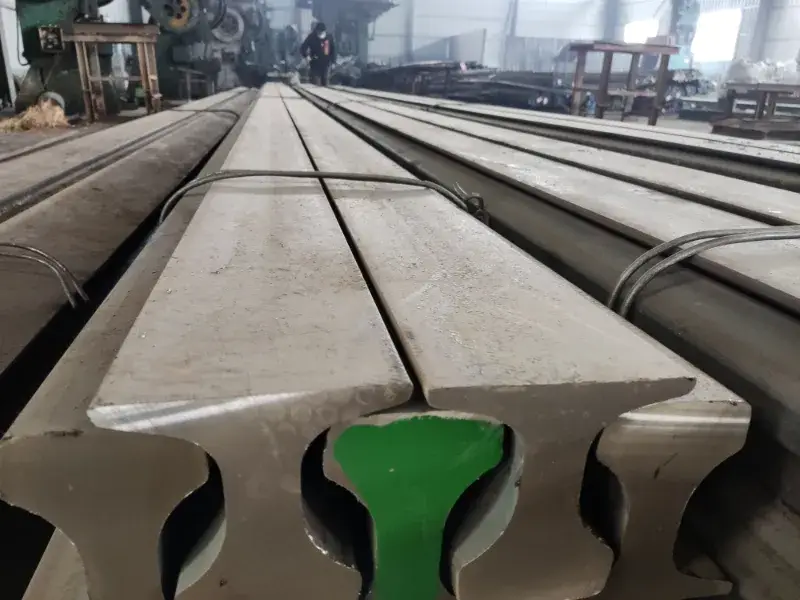
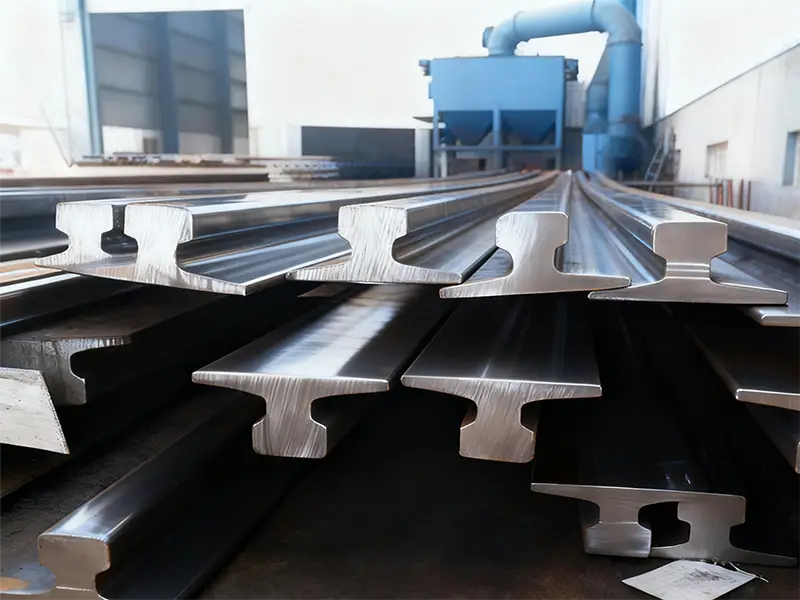
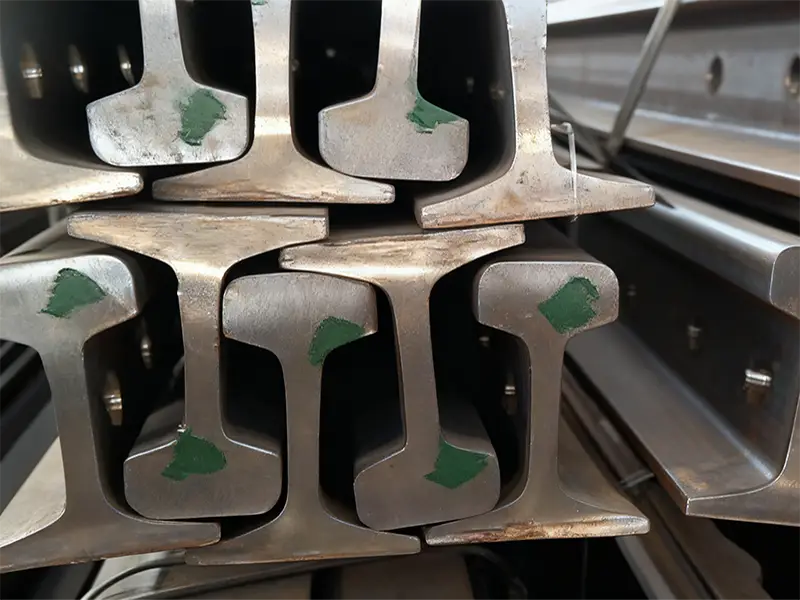
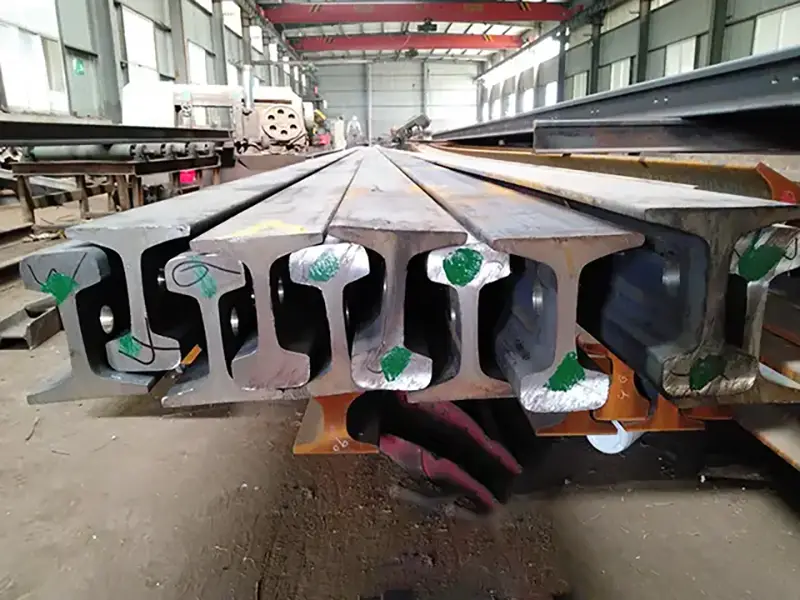
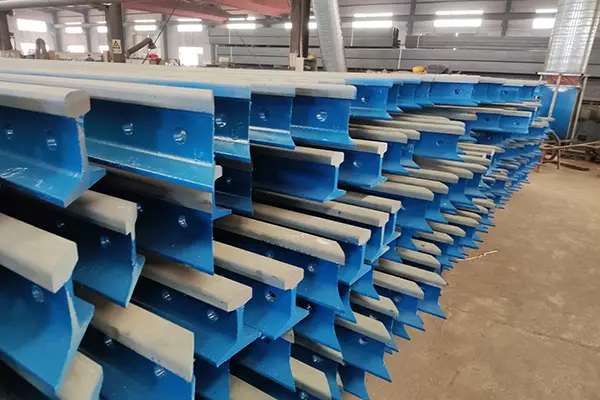
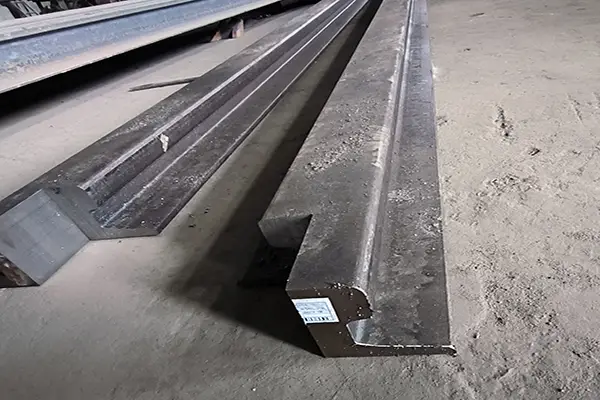
Glory Rail supply a wide range of crane rails covering international standards for overhead cranes, gantry cranes, port cranes, STS cranes, and industrial rail systems.
In addition to standard crane rails, we also supply various rail products manufactured according to international standards for different industrial applications.
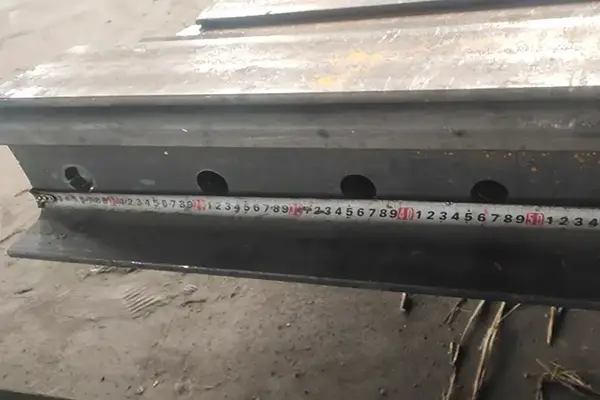
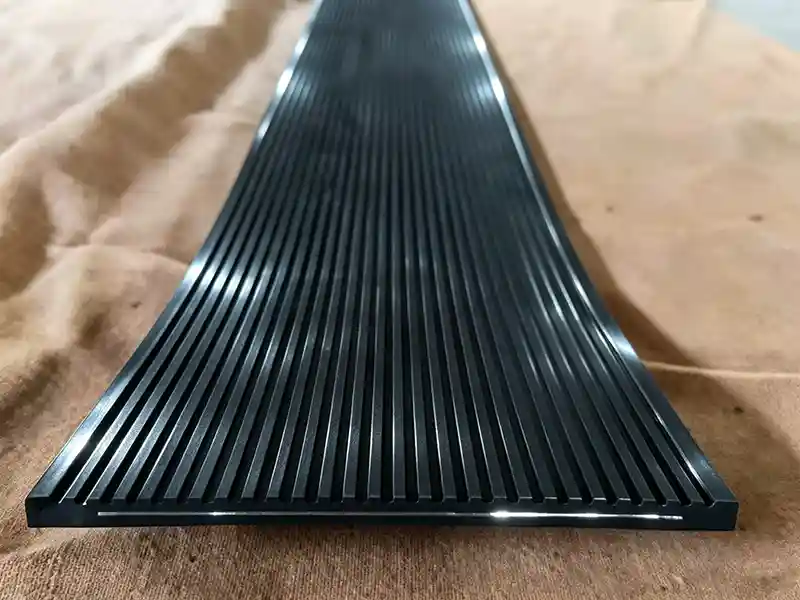
- Steel Rails & Processing Services: We provide steel rails with custom processing services including cutting, drilling, and special machining according to project requirements.
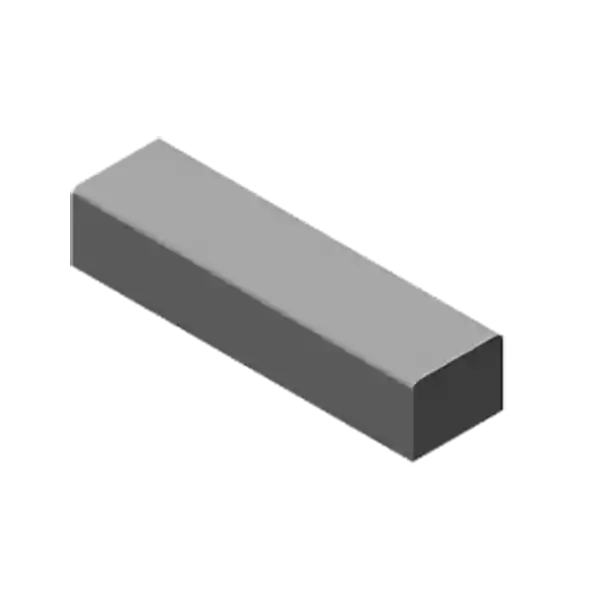
- Flat Bar Rails: High-quality flat bar rails are available for beam crane systems and light-duty crane applications.
- Complete Rail System Solutions: We supply complete rail system solutions including crane rails, rail clips, steel sole plates, rail switches, and rail pads.
| Crane Rail Type | Standard | Available Sizes | Material | Standard Length | Typical Application |
|---|---|---|---|---|---|
| QU Series | Chinese YB/T 5055-2014 | QU70, QU80,QU100, QU120 | U71Mn, U75V | 12m | Overhead & Steel Mill Cranes |
| A Series | German DIN536 | A45, A55, A65, A75, A100, A120, A150 | 50Mn, U71Mn | 10m / 12m / 15m | Heavy-Duty Crane Systems |
| ASCE Series | ASTM A1 / AREMA | ASCE25, ASCE30, ASCE40, ASCE50, | 700 / 900A / 1100 | 6m – 25m | Industrial Crane Rails |
| UIC Series | UIC860-0 / EN13674-1 | UIC50 / UIC54 / UIC60 | 900A / 1100 | 12m – 25m | Industrial & Transport Systems |
| BS Series | British BS11-1985 | BS50’O’, BS60A, BS60R, BS75A, BS75R, BS80A, BS100A, BS113A | 700 / 900A | 8m – 25m | Port & Shipyard Cranes |
| JIS Series | Japanese JIS E1103/1101 | 15kg, 22kg, 30A, 37A, 50N,CR73, CR100 | According to JIS | 9m – 10m | Light Industrial Rail Systems |
| AS Series | Australian AS1085 | 31kg, 41kg, 47kg, 50kg,53kg, 60kg, 66kg, 68kg,73kg, 86kg, 89kg | 900A / 1100 | 8m – 25m | Heavy Industrial Rail Systems |
| ISCOR Series | South African ISCOR | 15kg, 22kg, 30kg,40kg, 48kg, 57kg | 700 / 900A | 9m – 25m | Mining & Industrial Tracks |
Need Help Selecting the Right Crane Rail?
Our engineering team can recommend suitable rail profiles and fastening systems based on wheel load, operating conditions, and installation requirements.
What is a Crane Rail System?
A Crane Rail System is a complete track support system designed to guide and support the movement of overhead cranes, gantry cranes, and other rail-mounted equipment in industrial environments.
Unlike standard railway tracks, crane rail systems are engineered to withstand concentrated wheel loads, continuous impact, vibration, and heavy-duty operational conditions.
At Glory Rail, we provide complete crane rail solutions including rail supply, fastening accessories, and technical support for various industrial applications.
Key Components of a Crane Rail System
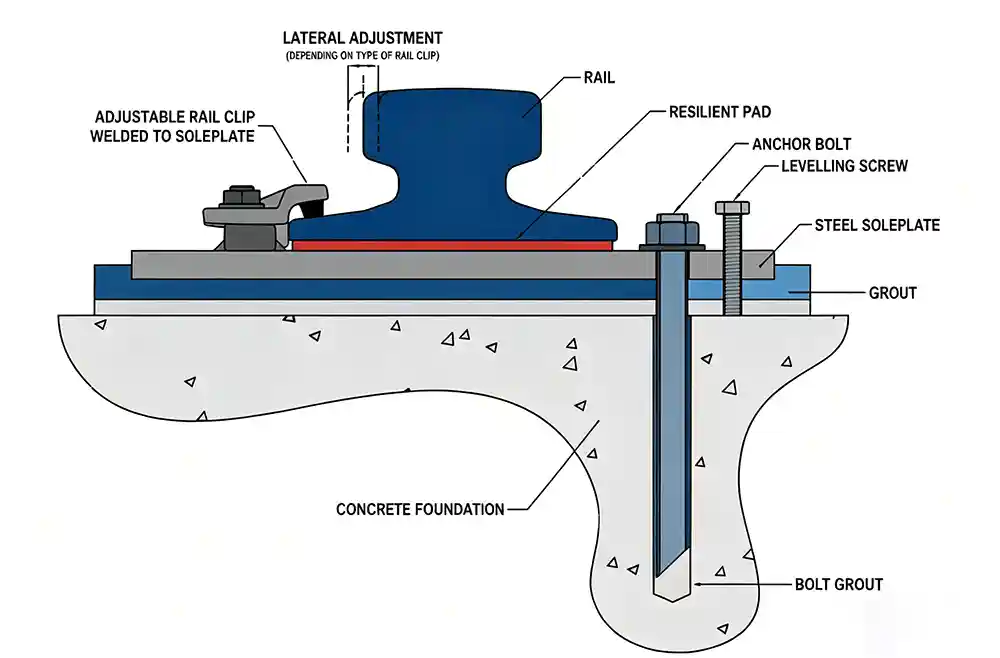
- Crane Rails: Provide the running surface for crane wheels and withstand heavy concentrated loads during operation.
Rail Clips: Secure the rail in position while helping reduce vibration and lateral movement.
Rail Pads: Absorb impact loads and reduce stress transfer between the rail and supporting structure.
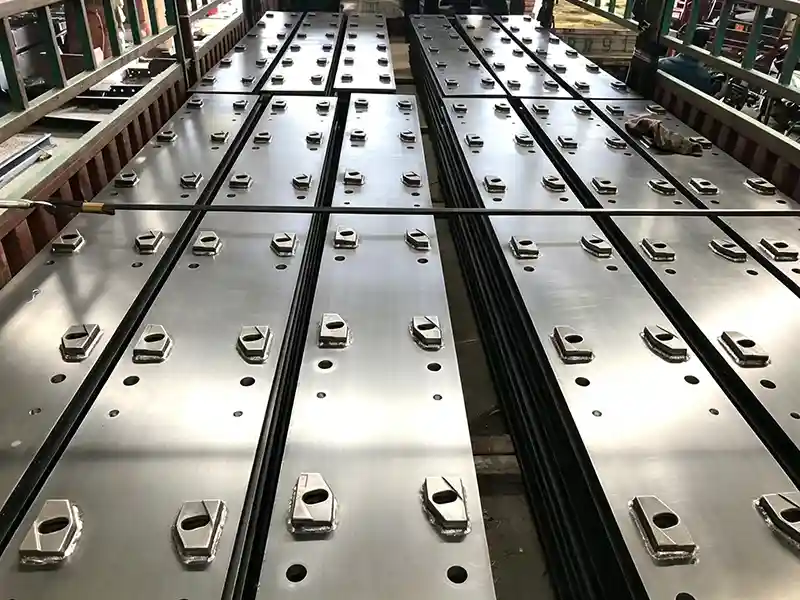
Steel Sole Plate: Improve load distribution and provide a stable foundation for rail installation.
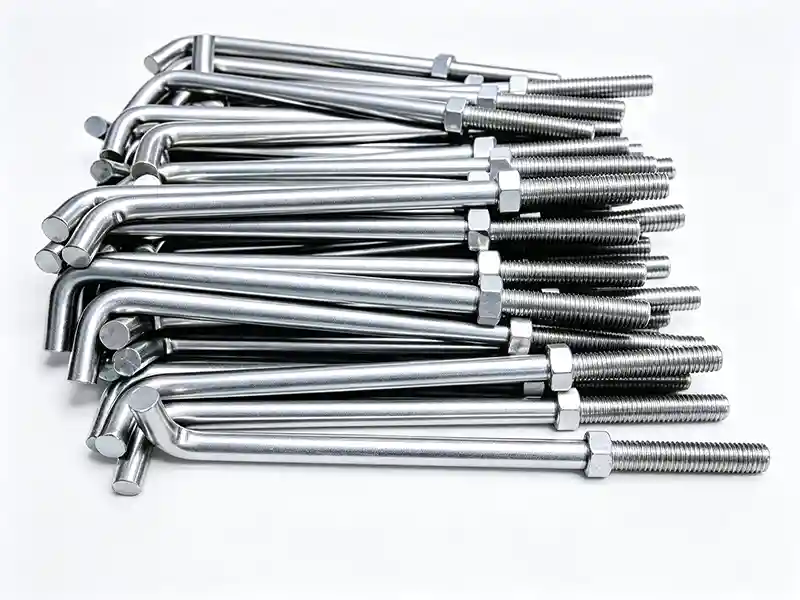
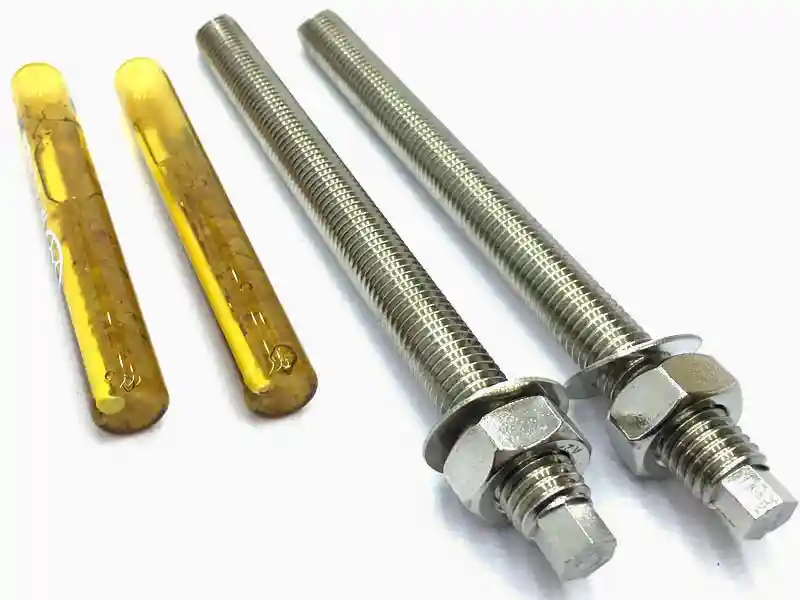
Anchor Bolts: Fix the rail system securely to the supporting structure and maintain alignment stability.
Grout: Fill gaps beneath the sole plate to ensure uniform support and improve structural stability.
Why System Performance Matters
The performance of a crane rail system depends not only on the rail itself, but also on fastening stability, installation accuracy, and long-term wear resistance.
Crane Rail Applications
Crane rail systems are widely used in steel mills, warehouses, logistics centers, ports, shipyards, and mining industries where cranes operate under heavy wheel loads and continuous working conditions. They are commonly installed for overhead cranes, gantry cranes, STS (Ship-to-Shore) container cranes, railway freight handling systems, and industrial transport tracks that require stable load-bearing performance, wear resistance, and long-term operational reliability.
How to Choose the Right Crane Rail?
Factors to Consider When Selecting Crane Rails
- Wheel Load: Heavy-duty cranes require crane rails with higher strength and wear resistance.
- Crane Type: Different crane systems such as overhead cranes, gantry cranes, and STS cranes require different rail profiles and installation methods.
- Working Environment: Outdoor ports, shipyards, and mining areas place higher demands on corrosion resistance and long-term stability.
- Installation Structure: Crane rails may be installed on steel runway beams or concrete foundations depending on the application.
- Operating Frequency: High-frequency start-stop operations require better impact resistance and fastening stability.
Common Crane Rail Types & Applications
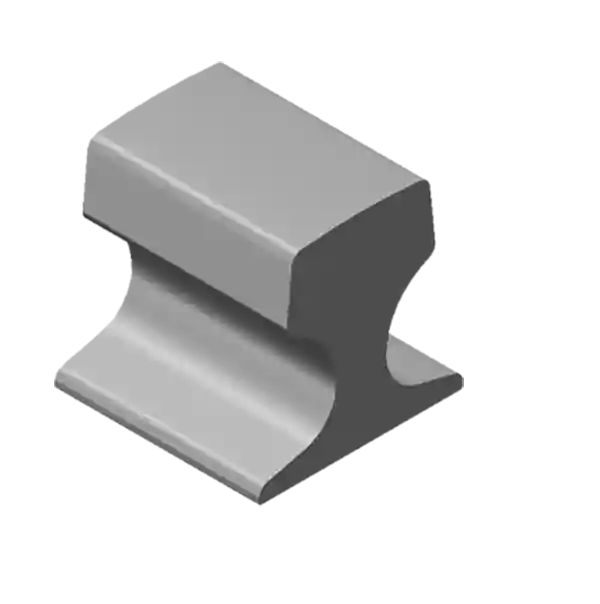
QU Series:
Commonly used for overhead cranes, steel mill cranes, and heavy industrial lifting systems.
QU crane rails feature a thicker rail head and good wear resistance, making them suitable for high wheel load applications.
DIN536 A Series:
Widely used in Europe, ports, shipyards, and heavy-duty gantry crane systems.
A-series crane rails are designed for large wheel loads and long-term outdoor operation.
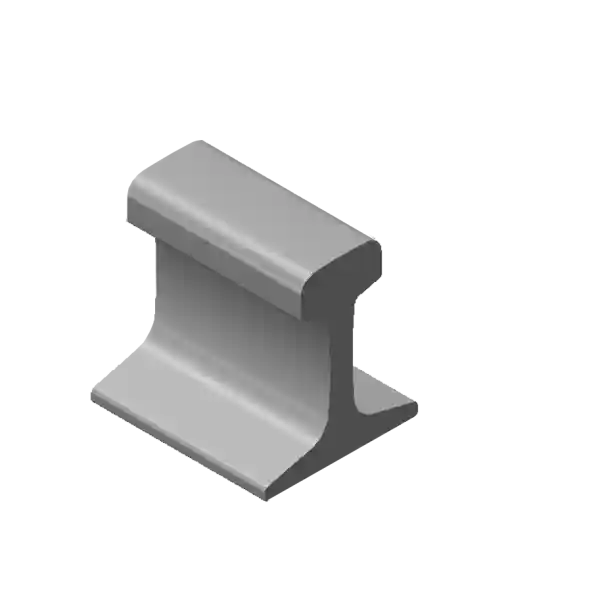
UIC Series Rails:
Originally developed for railway systems, UIC rails are also used in industrial transport systems, workshop tracks, and light-duty crane applications.
UIC54 and UIC60 are commonly used where stable running performance is required.
| Size | Rail height(mm) | Bottom Width(mm) | Head Width(mm) | Web Thickness(mm) | Steel Grade | Weight(kg/m) |
| 54E1(UIC54) | 159 | 140 | 70 | 16 | R200/R260/R260Mn/R350HT | 54.77 |
| 60E1(UIC60) | 172 | 150 | 72 | 16.5 | R200/R260/R260Mn/R350HT | 60.21 |
ASCE Series:
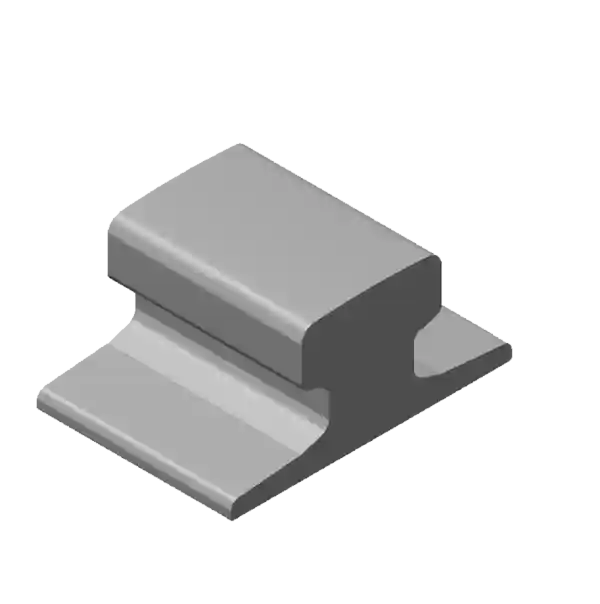
Commonly used for light-duty crane systems, industrial sidings, and workshop rail tracks.
ASCE rails are lighter in weight and suitable for applications with moderate wheel loads and shorter operating cycles.
| Size | Rail height(mm)A | Bottom Width(mm)F | Head Width(mm)C | Web Thickness(mm)t | Steel Grade | Weight(kg/m) |
| ASCE25 | 69.85 | 69.85 | 38.1 | 7.54 | 55Q | 12.2 |
| ASCE30 | 79.37 | 79.37 | 42.86 | 8.33 | 55Q | 15.2 |
| ASCE40 | 88.9 | 88.9 | 47.6 | 9.90 | 55Q | 19.84 |
| ASCE50 | 98.43 | 98.43 | 54.00 | 11.11 | 55Q | 24.855 |
| ASCE60 | 107.95 | 107.95 | 60.33 | 12.3 | 55Q | 30.1 |
| ASCE70 | 117.48 | 117.48 | 61.91 | 13.1 | 55Q | 34.5 |
| ASCE80 | 127.00 | 127.00 | 63.50 | 13.89 | U71Mn | 39.82 |
| ASCE85 | 131.76 | 131.76 | 65.09 | 14.29 | U71Mn | 42.3 |
American CR Crane Rails:
Primarily used in North American crane systems, heavy-duty gantry cranes, steel mills, and container handling equipment.
CR crane rails are designed for extremely high wheel loads, impact resistance, and long service life in harsh industrial environments.
Type of Rail | Weight (kg/m) | Head width (mm) | Height (mm) | Base width (mm) | Web (mm) |
CR104 (MRS51) | 52.04 | 63.5 | 127 | 127 | 25.4 |
CR105 (MRS52) | 52.09 | 65.09 | 131.76 | 131.76 | 23.81 |
CR135 (MRS67) | 67.39 | 87.31 | 146.05 | 131.76 | 31.75 |
CR171 (MRS85) | 85.02 | 109.22 | 152.4 | 152.4 | 31.75 |
86.8 | 107.95 | 152.4 | 152.4 | 38.1 |
Japanese Standard Crane Rails:
Widely used in Japanese-standard crane systems, shipyards, steel plants, and port handling equipment.
Japanese CR rails provide high dimensional accuracy and excellent load-bearing performance for demanding crane operations.
Our technical team can recommend suitable crane rail profiles based on wheel load, crane type, installation structure, and operating conditions.
Our Crane Rail System Solutions
From crane rail selection to installation and long-term operation, we provide complete crane rail system solutions for different working conditions and crane operating levels.
Crane Rail Selection
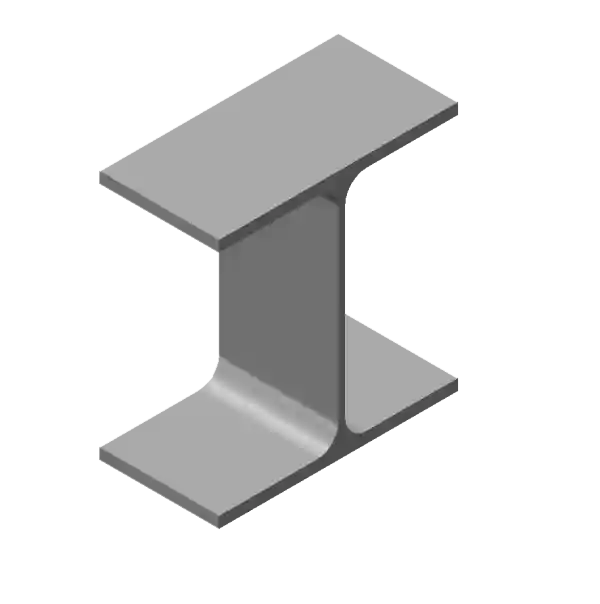
Different crane systems require different rail profiles and support structures. For beam cranes and light-duty runway systems, flat bar rails and square bar rails are commonly used because of their structural strength and cost-effectiveness.
We also supply traditional crane rail profiles including QU70, QU80, QU100, QU120, and ASCE40-ASCE60 for heavy-duty crane applications.
Rail Fastening & Support Structures
Different rail fixing methods can be selected according to crane working levels and installation requirements.
Continuous welded rail systems are commonly used for trolley rails under M5 working levels. This structure provides stable rail continuity and smooth crane movement.
For M6, M7, and M8 working levels, bolted rail fixing systems are more commonly used because they simplify installation, adjustment, assembly, and future maintenance.
Rail Pads & Wear Reduction
To reduce direct wear and impact between the crane rail and supporting surface, high-strength rubber pads with steel reinforcement are typically installed underneath the rail system.
Rubber pads with a thickness of 3–6 mm and Shore A 85° hardness help absorb vibration, reduce impact loads, and improve long-term operational stability.
Light & Medium-Duty Rail Systems
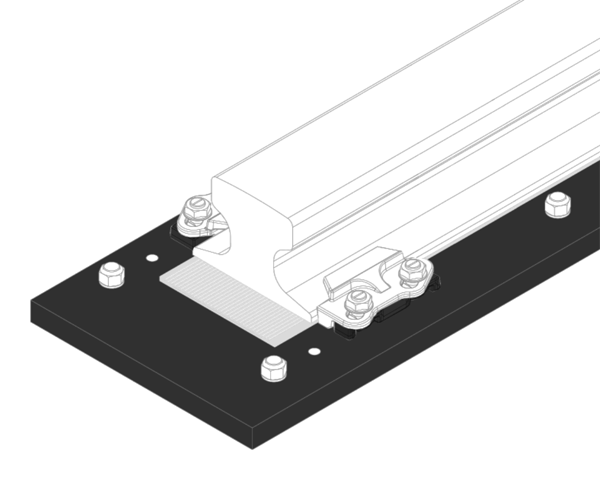
Continuous steel base plates with welded rail clips and continuous pads are commonly used for light and medium-duty trolley rail systems.
This structure provides stable rail support and helps maintain rail alignment during continuous crane movement.
Heavy-Duty Crane Rail Systems
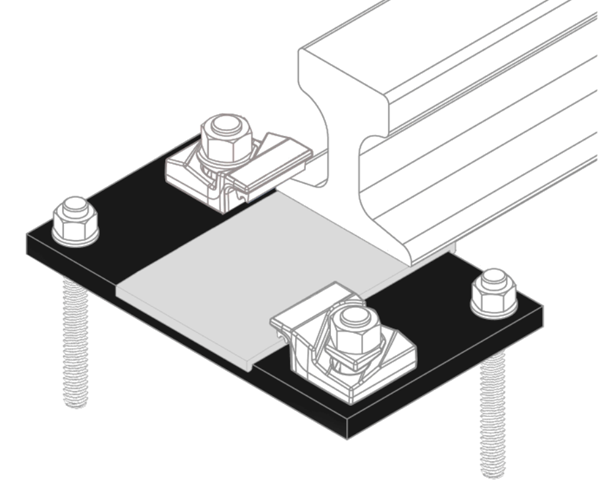
For heavy-duty crane systems, independent steel base plates combined with bolted rail clips and separate rail pads are widely used.
This structure allows easier rail replacement, fastening adjustment, and long-term maintenance under high wheel load conditions.
Installation & Technical Support
Proper crane rail installation, rail alignment, and fastening adjustment directly affect crane operating safety and rail service life.
Based on project requirements, we can provide complete rail system recommendations for ports, steel mills, workshops, warehouses, STS cranes, and industrial transport systems.
Examples of Our Crane Rail Systems & Components
Need Support for Your Crane Rail Project?
From crane rail selection and rail processing to fastening systems and installation support, we provide complete crane rail system solutions for different industrial applications.
Our technical team can recommend suitable rail profiles, fastening structures, and processing options based on your project requirements.
Crane Rails
QU rails, DIN536 crane rails, UIC rails, and ASCE rails available in various sizes and processing options.
Rail Processing Services
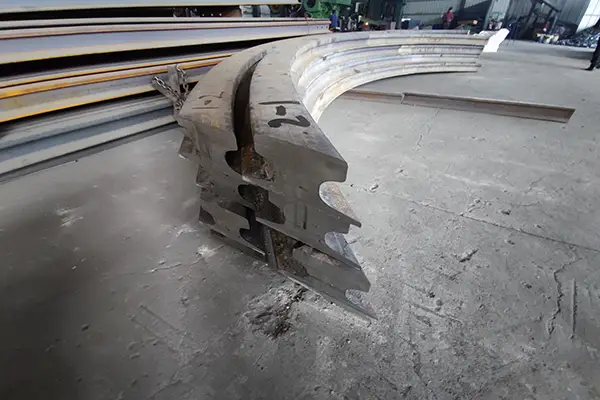
Custom rail cutting, drilling, curved rail machining, and special processing according to project drawings.
Rail Fastening Systems
Rail clips, rubber pads, soleplates, anchor bolts, and fastening components designed for different crane rail installation systems.
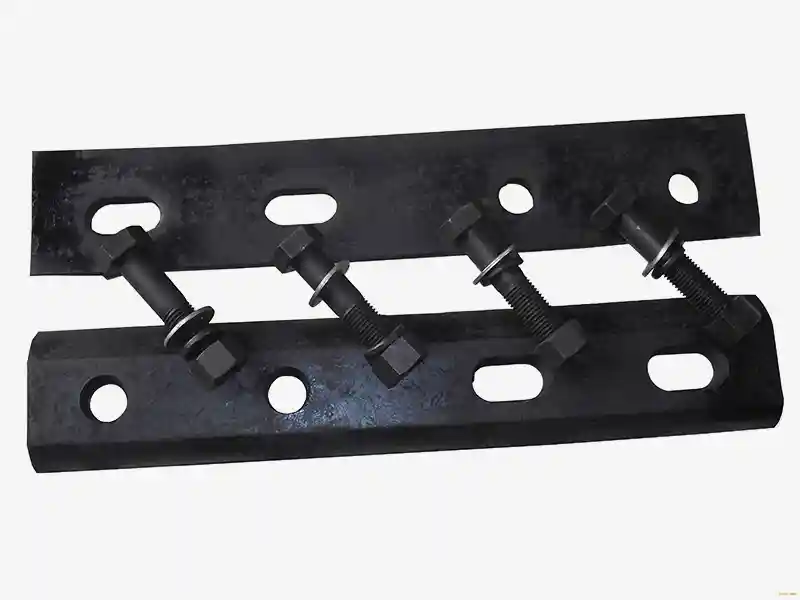
Rail Joint Systems
Fishplates, joint bars, and fastening bolts for crane rail connection systems.