
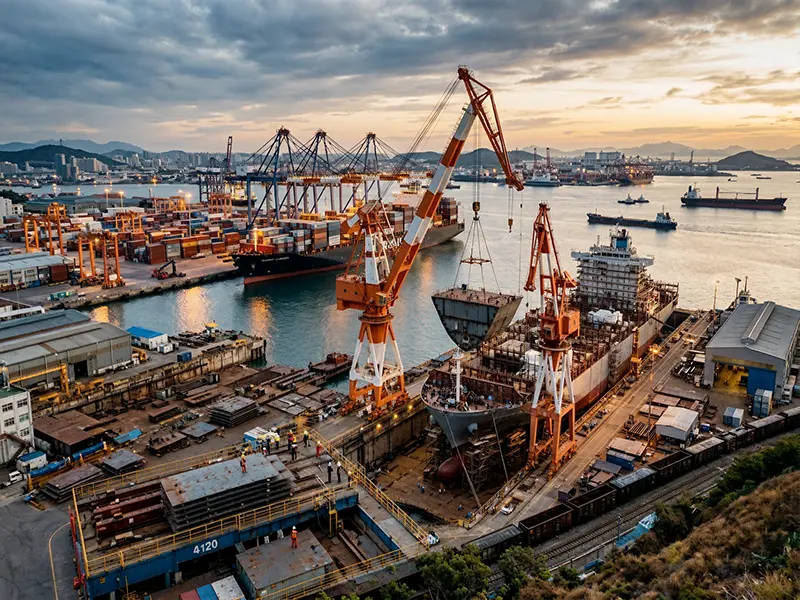
A120 Rail System for Shipyards: Fastening, Anchoring and Corrosion Protection
The A120 Rail System for Shipyards must withstand the wheel loads of large cranes, the forces generated by frequent operation, and the effects of salt fog and humidity in the marine environment.
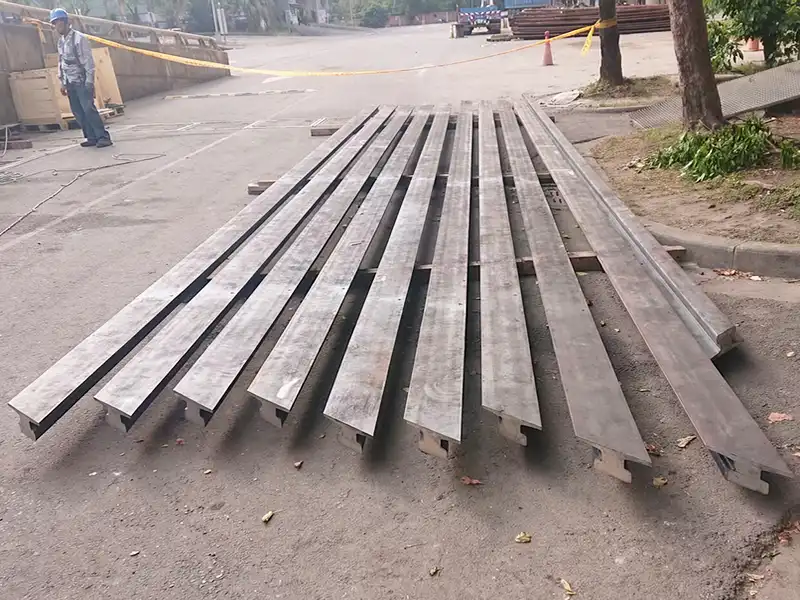
How Precision 45° Miter Cutting Helps Reduce Wheel Impact on Crane Rails
Crane rail miter cutting requires more than achieving a specified cutting angle. The accuracy of the rail ends, the condition of the tread surface, and the fit between adjacent rail sections all affect the quality of the finished joint.
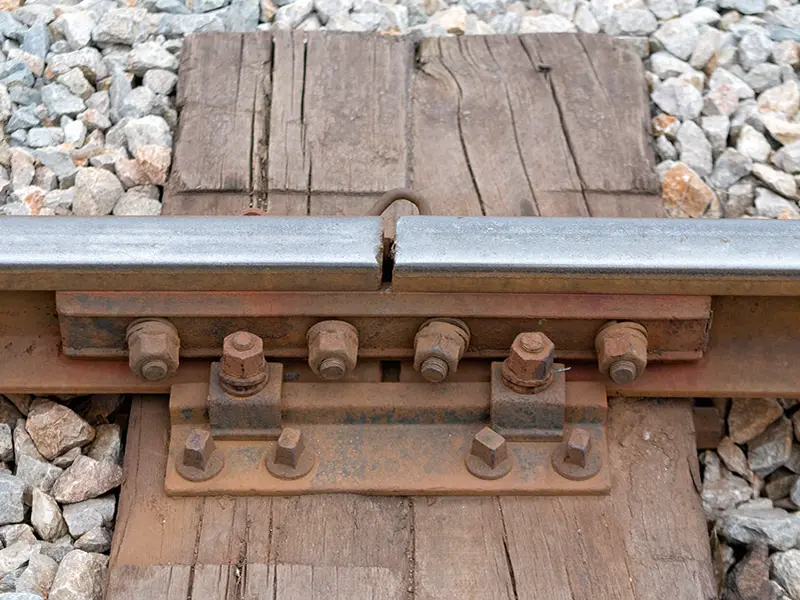
Why Do Rail Fishplate Weights and Prices Differ?
When comparing quotes from different suppliers, the weight of rail fishplates can become a point of contention. Even when two suppliers offer the same model of fishplate, there may be discrepancies in actual weight and quoted prices.
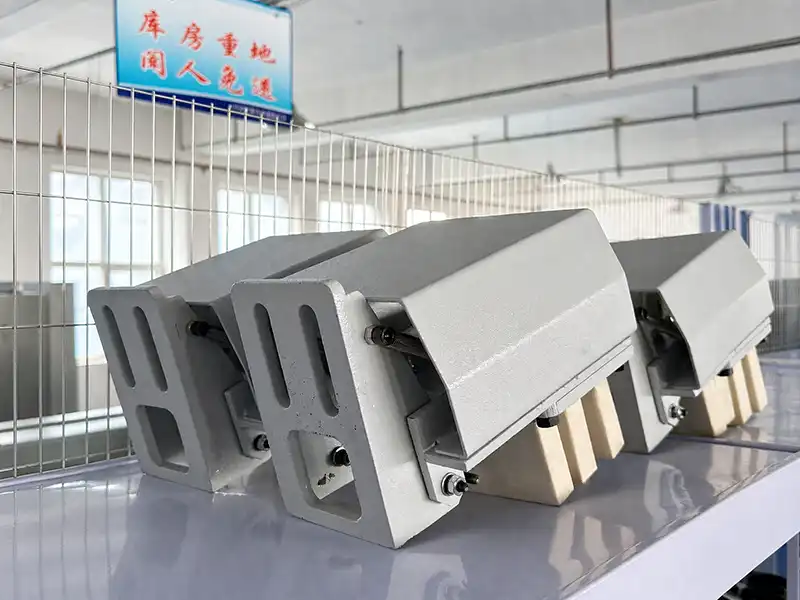
Crane Rail Cleaning: How to Remove Oil, Debris and Reduce Wheel Wear
Crane rail cleaning is often less about sweeping away loose dust than removing the oil film and stubborn residue left behind. On overhead and gantry cranes, oil, water, dust and small debris may be present on the same rail.
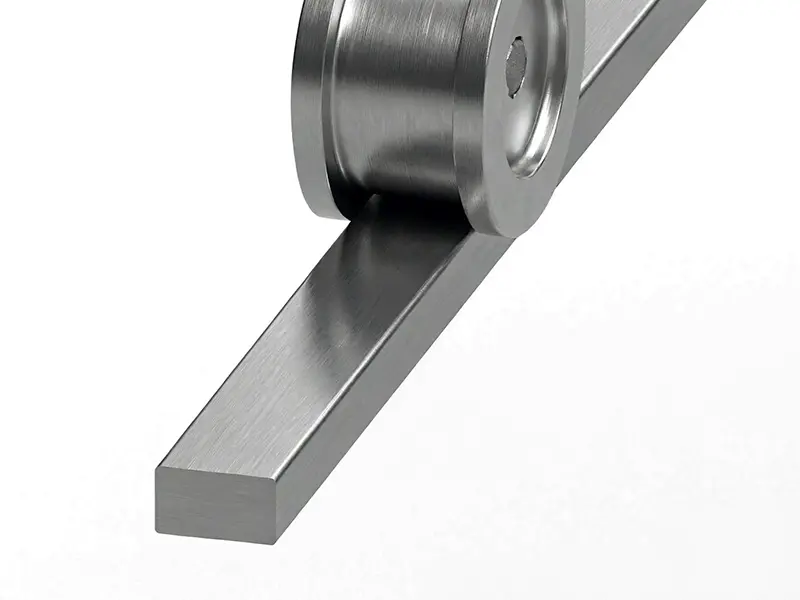
Can Flat Steel Bar Be Used as a Crane Track?
Whether flat bar can be used as a crane rail cannot be determined solely by the steel’s width, thickness, or the equipment’s rated lifting capacity.
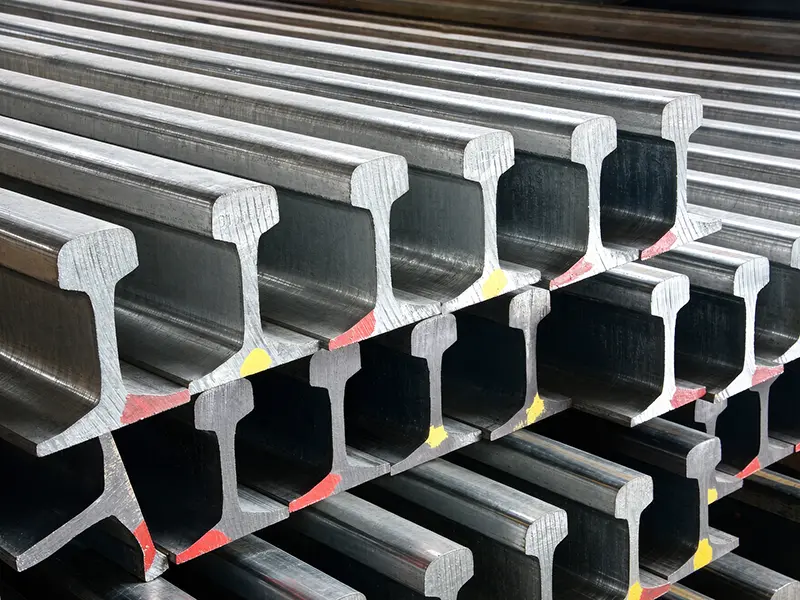
Railroad Rail Weight per Foot: How to Calculate It
When calculating the weight per foot of railroad rails, it is essential to first determine the unit of weight used in the rail designation.