
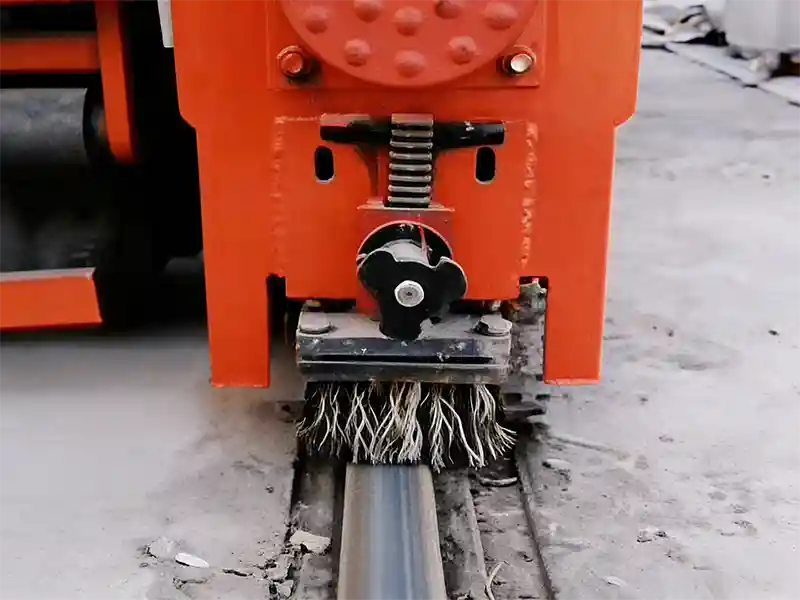
Technical Analysis and Selection Guide for Industrial Crane Rail Sweepers
Crane rail sweepers are essential safety features that are mounted on gantry and overhead cranes. They are made to clear foreign objects, scale, and debris from rail surfaces.
Crane rail sweepers are essential safety features that are mounted on gantry and overhead cranes. They are made to clear foreign objects, scale, and debris from rail surfaces.
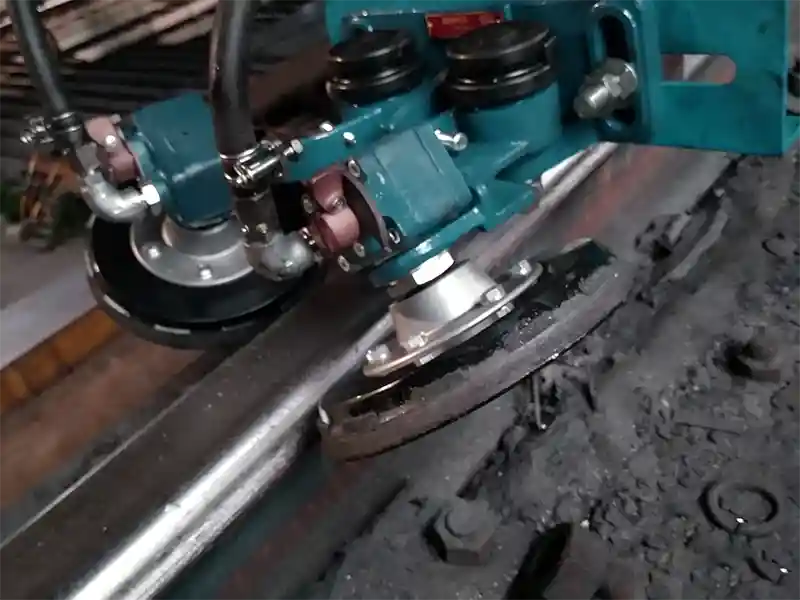
Rail lubrication is a critical maintenance strategy for heavy-haul railways, which are characterized by high axle loads, massive traffic volumes, and frequent small-radius curves.
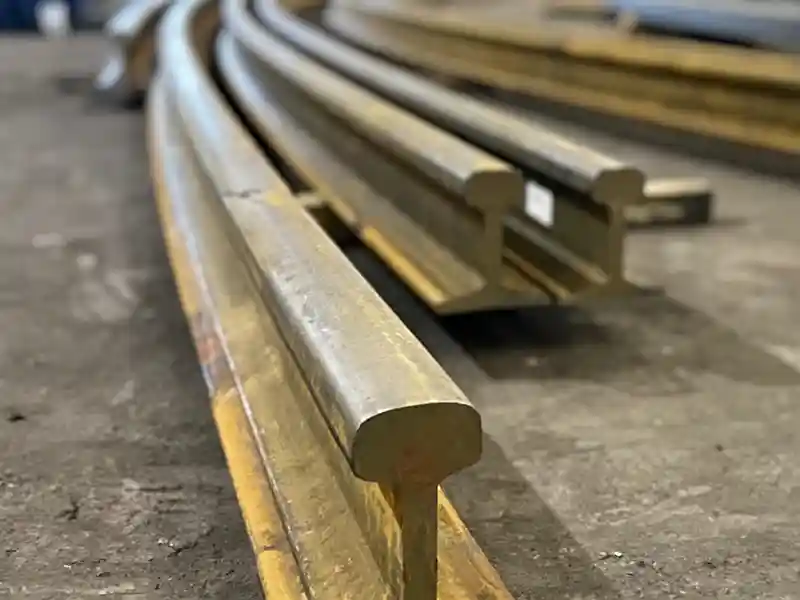
Railway lines are not ideally straight. Due to terrain, urban planning, and operational constraints, curved tracks are inevitable. As the component that directly supports and guides trains, rails must precisely match the geometric shape of the track.
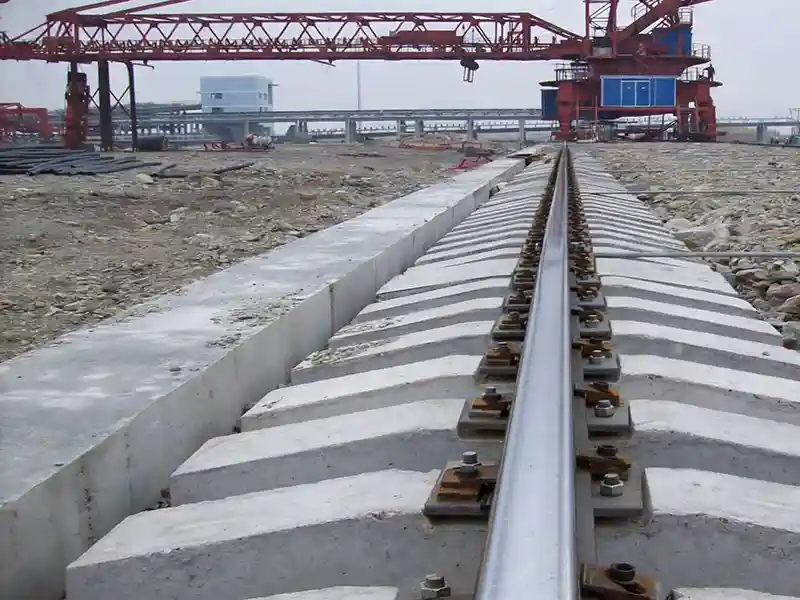
Rail clips for cranes are the critical components that connect the rail to the supporting foundation, responsible for transferring loads, maintaining gauge, and absorbing dynamic impacts.
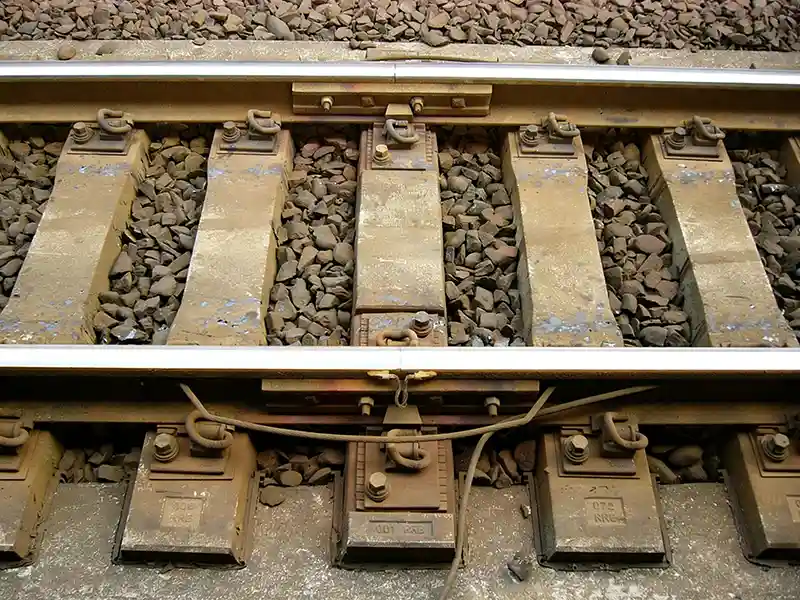
Railway fishplates, also known as splice bars, continue to be the foundation of the track at turnouts, transition zones, and sections where site constraints prevent welding.

In any industrial bay, the bridge crane tracks are literally the backbone of your operations. But let’s be honest: because they’re tucked away high on the runway beams, they are often “out of sight, out of mind” until a loud screeching sound or a jagged movement halts production.

One of the biggest safety hazards for railroad operations in the winter is rail fracture. Steel rails undergo more thermal contraction and a reduction in material toughness when the surrounding temperature drops.

In recent years, rail fractures caused by spalling defects have occurred repeatedly, posing serious risks to railway operation safety.

From the vast networks of heavy-haul railways to the busy corridors of port cranes and tunnel boring operations, a common engineering element silently bears immense loads: the I-section rail.

Railway track gauge refers to the distance between the inner sides of the two rails on a railway track. It is a fundamental aspect of railway engineering, as it determines the type of trains that can operate, their stability, and the load they can carry.