Rail Fastening Systems for Secure and Stable Track Performance

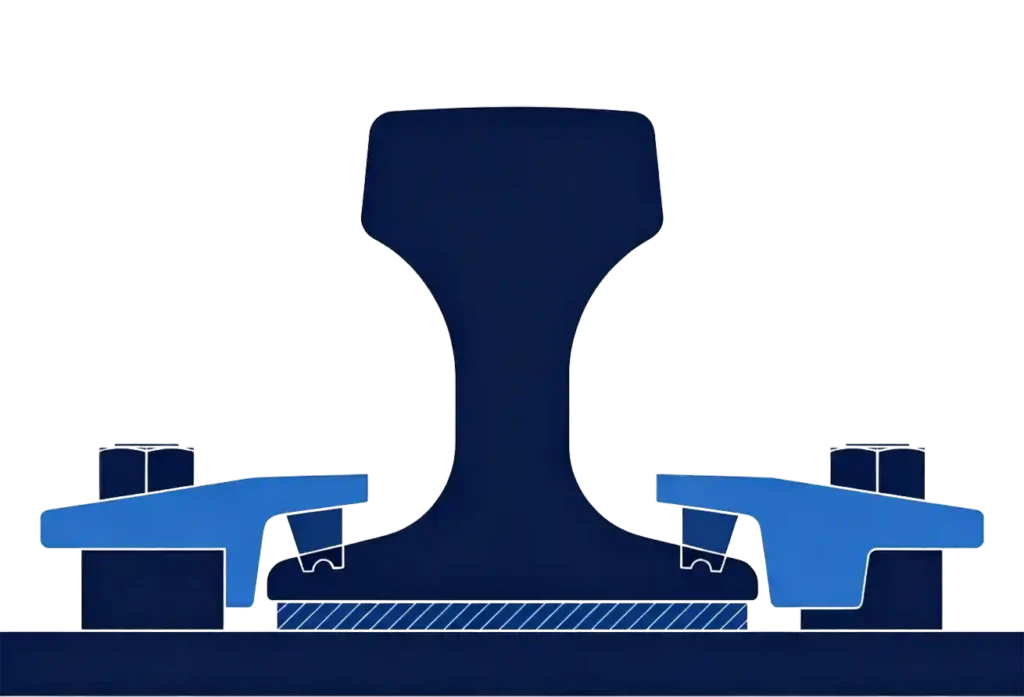
This rail fastening system includes rail clips, pads, fishplates, and fastening components designed to work together for reliable rail fixation.

rail fastening system

How Rail Fastening Systems Work

A rail fastening system is not a single component, but a combination of clips, pads, and joint elements working together to secure the rail.

Rail clips provide clamping force, rail pads absorb vibration and distribute loads, and fishplates connect rail sections to maintain continuity.

Each component plays a specific role in ensuring track stability, reducing wear, and maintaining alignment under dynamic loads.

Key Components of Rail Fastening Systems

Key Components

Rail Clips

rail fastening system

Provide reliable clamping force to secure rails and prevent movement under dynamic loads.

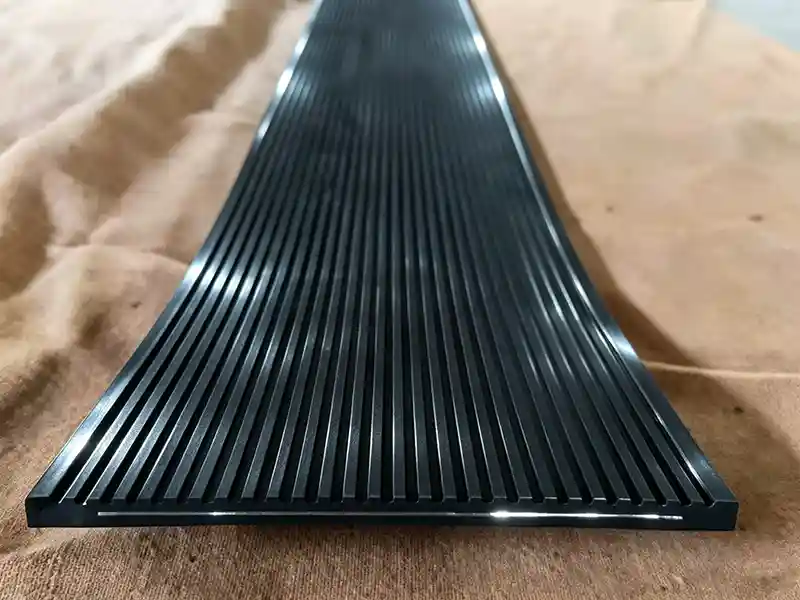
Rail Pads

rail pads-rail fastening system

Reduce vibration and distribute loads to protect rails and supporting structures.

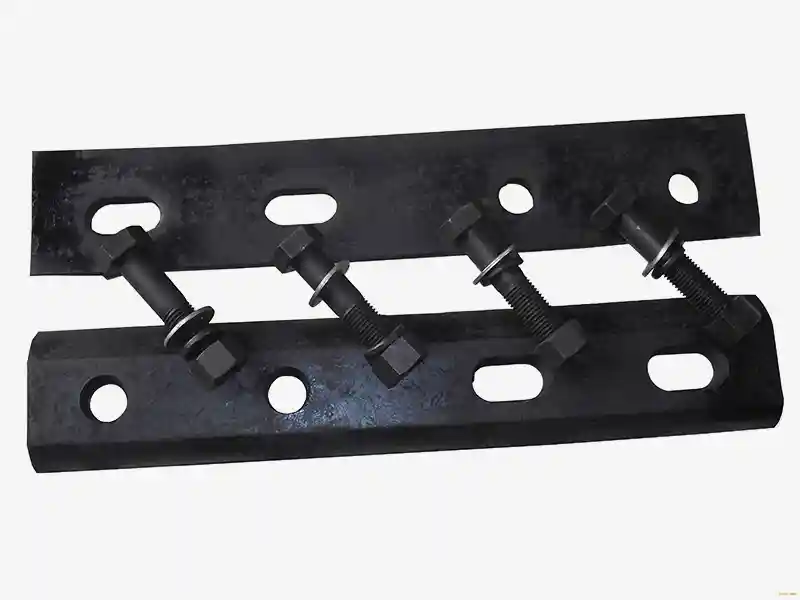
Rail Joints

joint bar

Connect rail sections and maintain alignment for stable track performance.

Fastening Hardware (Assembly)

Rail Spikes

rail-spike-dog-spike

Provide direct mechanical fixing for rail systems on timber or sleeper-based foundations.

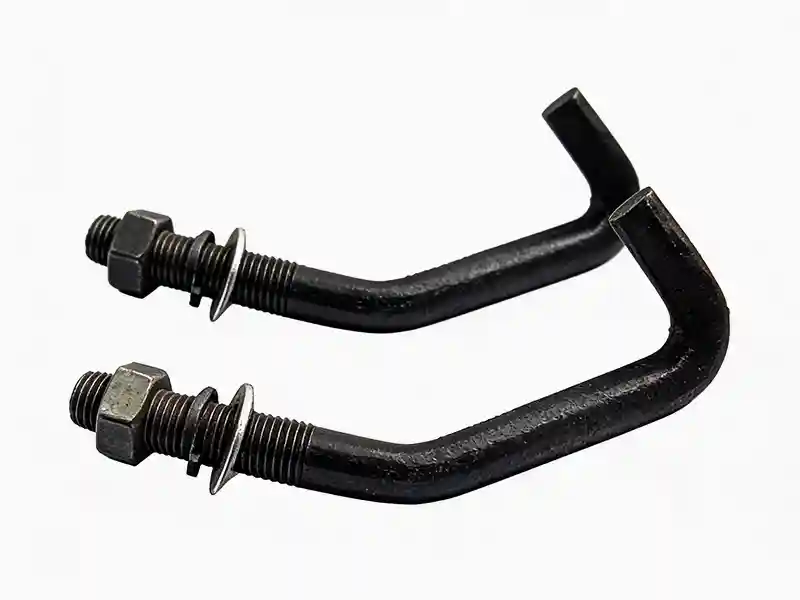
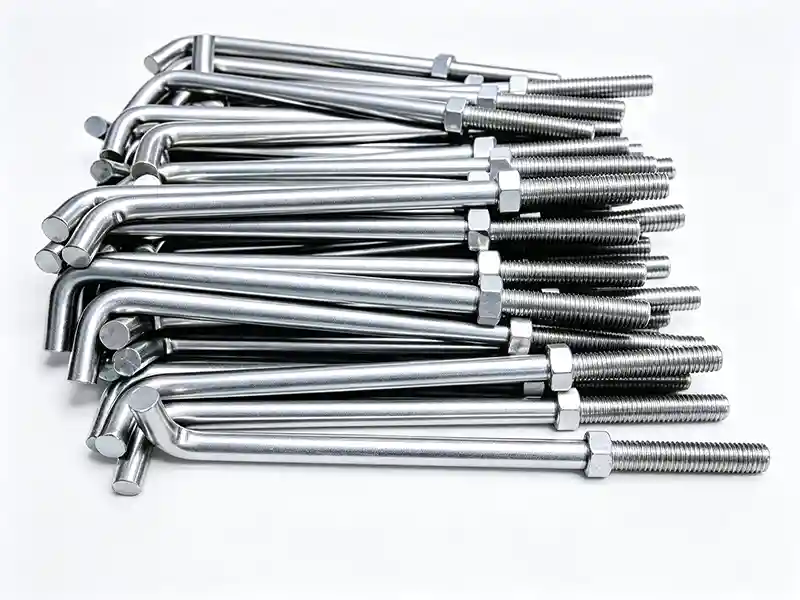
Hook Bolts

hook bolts

Secure crane rails to steel structures under vibration and load.

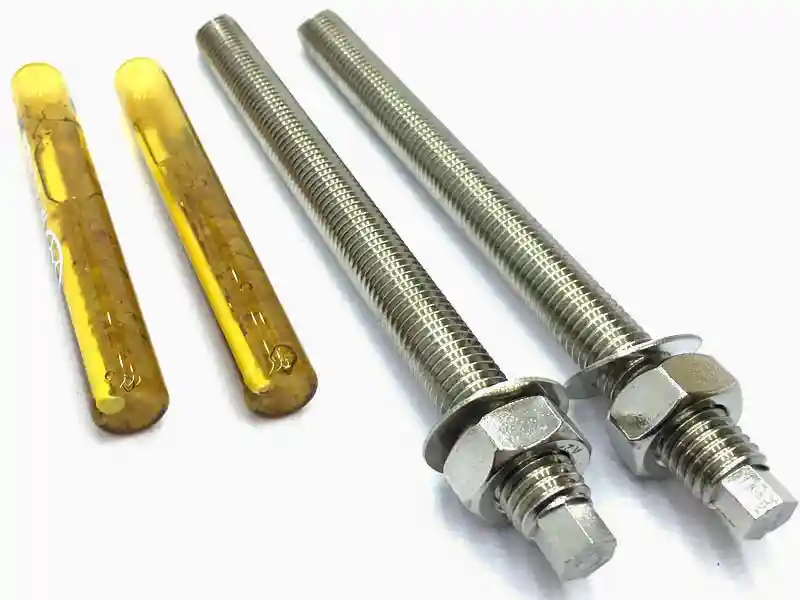
Chemical Anchor Bolts

Chemical bolt

Provide high-strength anchoring for rail and crane installations in concrete.

Fastening Bolts

anchor bolts

Ensure secure assembly and stable connection of rail fastening system components.

Additional Fastening Components

Rail Plates

rail plates tie plates

Support railroad rails and distribute loads between the rail and foundation.

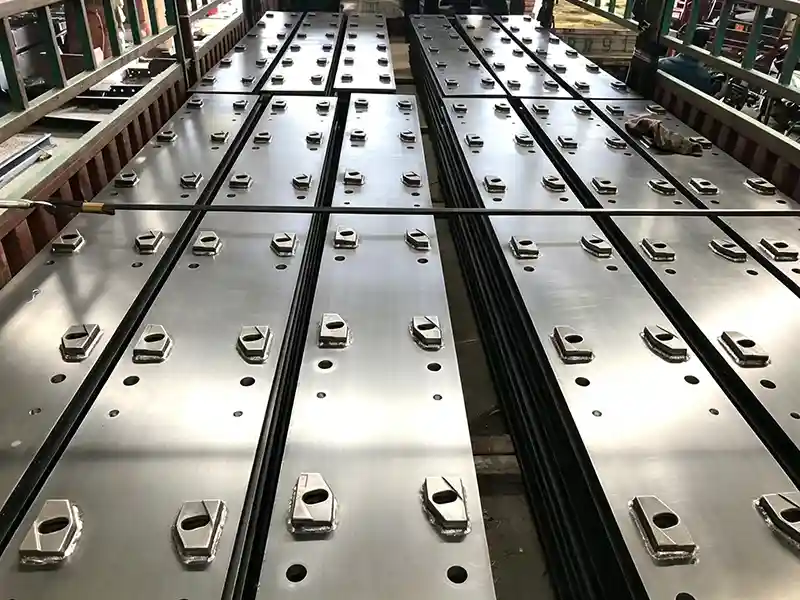
Steel Soleplates

long type steel soleplate

Provide a stable base for crane rails and improve load distribution.

Rail Welding Solutions

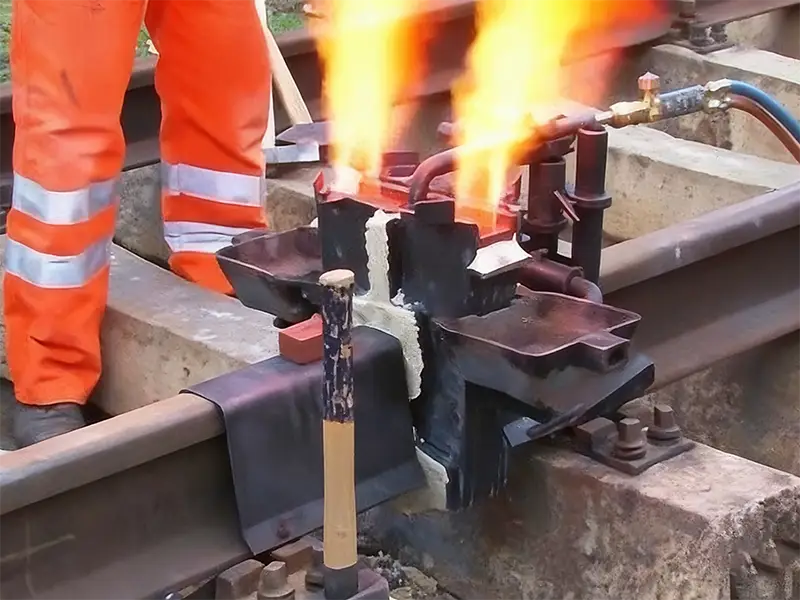
Aluminothermic welding kits

aluminothermic welding

Aluminothermic welding kits are used for on-site rail joint welding, providing strong and continuous rail connections.

Where Are These Systems Used?

  • Crane Rails: Heavy-duty fastening for high loads and vibration
  • Railway Tracks: Elastic fastening for stability and flexibility
  • Industrial Systems: Flexible solutions for workshops and logistics

How to Select Rail Fastening Components?

Key FactorWhat to ConsiderRecommended Options
Rail TypeCrane rail, railway rail, or light rail profileQU70/QU80/QU100, DIN536 (A75–A120), light rails
Load CapacityStatic and dynamic wheel loads, impact conditionsHeavy-duty clips, reinforced pads, welded systems
Installation BaseConcrete foundation or steel structureAnchor bolts (concrete), hook bolts / soleplates (steel)
Vibration & ImpactFrequency of operation and shock loadsElastic rail clips, high-resilience rubber pads
Adjustment NeedsWhether future alignment or replacement is requiredBolted clips for flexibility, welded clips for stability
EnvironmentCorrosion, dust, temperature, moistureGalvanized or coated components, anti-corrosion materials

Why Choose Glory Rail’s Fastening System?

✔ System Compatibility: All components are engineered to work together as a complete fastening system, ensuring consistent performance and easy installation.

✔ Load and Vibration Control: Designed to withstand dynamic loads and absorb vibration, reducing rail wear and improving system durability.

✔ Flexible Configuration: Compatible with various rail types and installation methods, allowing adaptation to different project requirements.

Build a Complete Rail Fastening System

Tell us your rail type and application — we’ll recommend the right combination of clips, pads, and joints.

滚动至顶部