
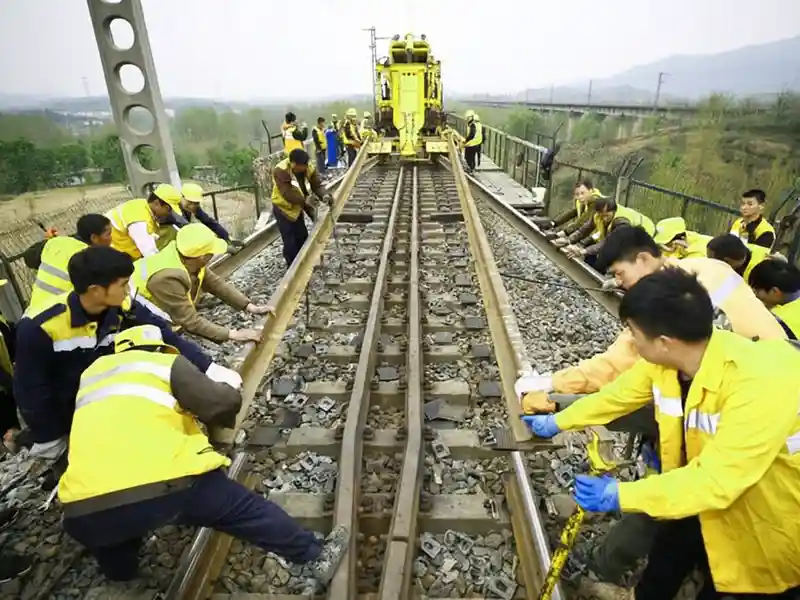
How is Continuous Welded Rail Installed on Railroad Tracks?
One of the biggest advances in railway engineering is the switch from conventional jointed tracks to Continuous Welded Rail (CWR).
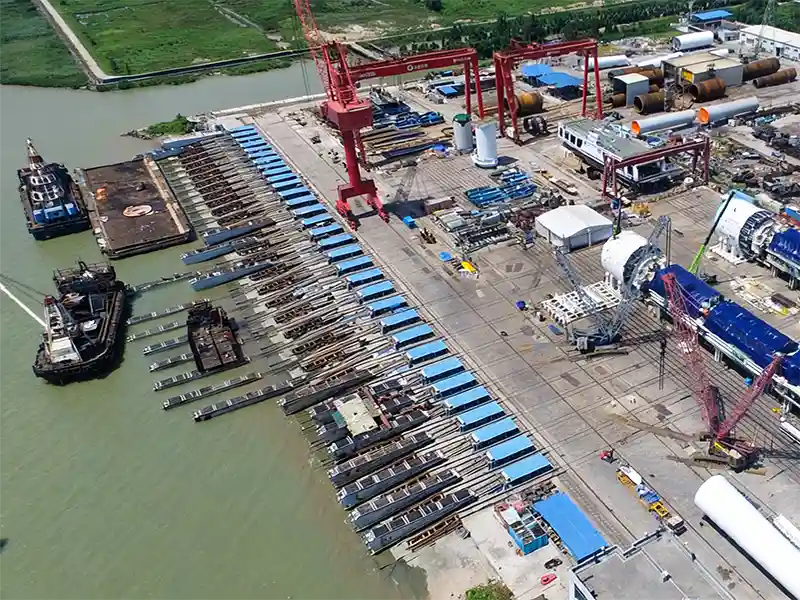
Heavy-Duty Crane Rails: The Structural Foundation of Mechanized Ship Slipways
In medium and small-scale shipyards, the safe transition of a vessel from land to water (and vice versa) depends on a specialized heavy-load infrastructure: the rail-mounted mechanized slipway.
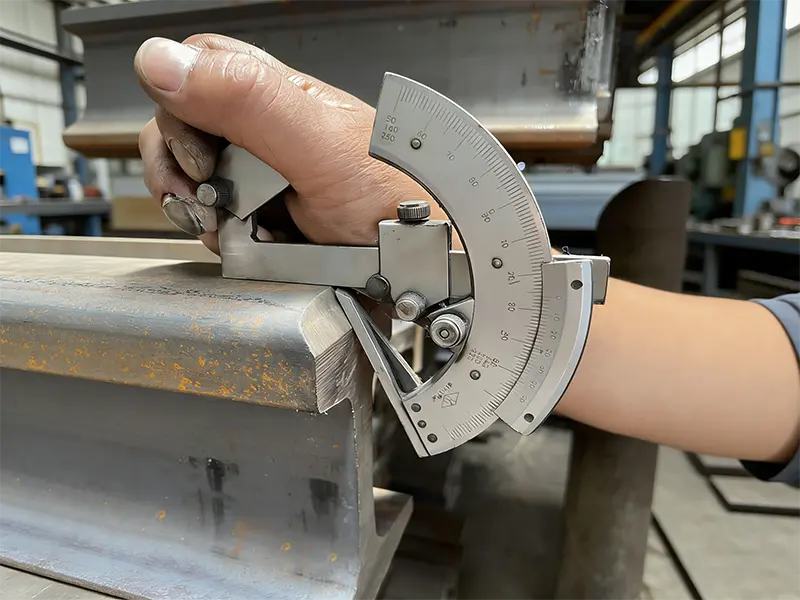
Rail Head Beveling: Technical Guide & Quality Control
While often overshadowed by the welding process itself, rail head beveling—the precise machining of geometric slopes at the rail ends—is a critical prerequisite.
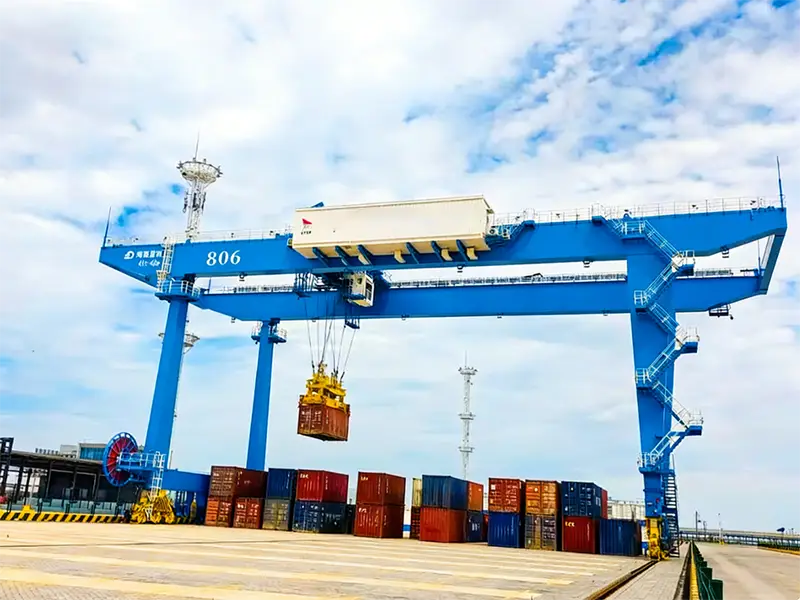
What Causes Crane Rail Wear in Ports?
Crane rail wear is a common issue in container and bulk terminals, where rails are exposed to heavy loads, frequent start-stop operations, and corrosive marine conditions.
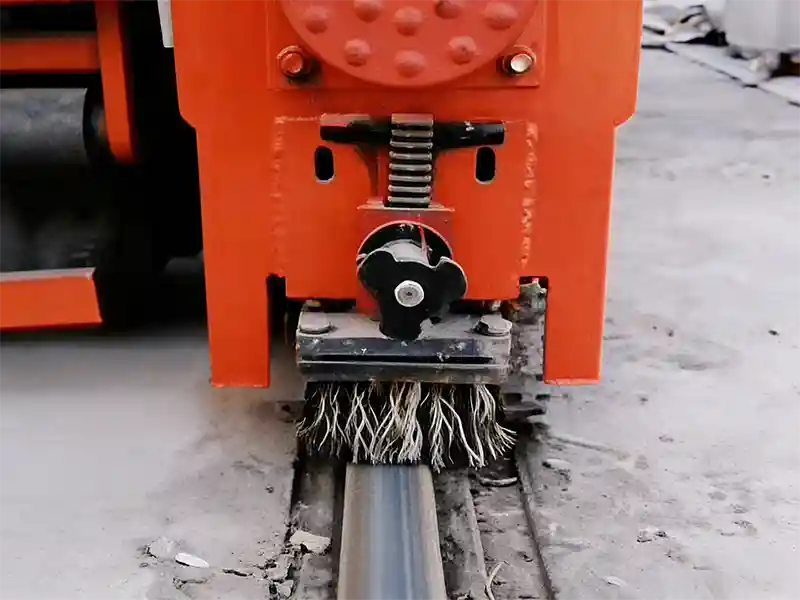
Technical Analysis and Selection Guide for Industrial Crane Rail Sweepers
Crane rail sweepers are essential safety features that are mounted on gantry and overhead cranes. They are made to clear foreign objects, scale, and debris from rail surfaces.
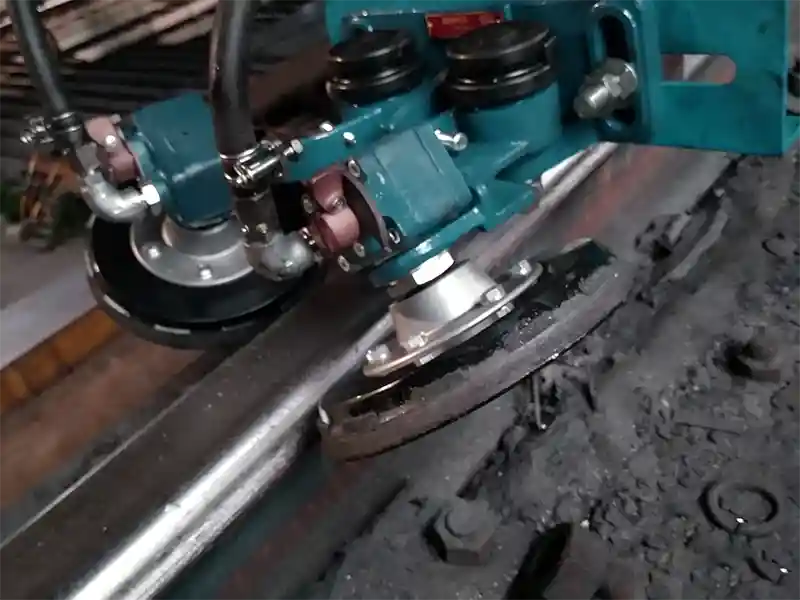
Rail Lubrication in Heavy-Haul Railways: Mechanics and Application
Rail lubrication is a critical maintenance strategy for heavy-haul railways, which are characterized by high axle loads, massive traffic volumes, and frequent small-radius curves.