
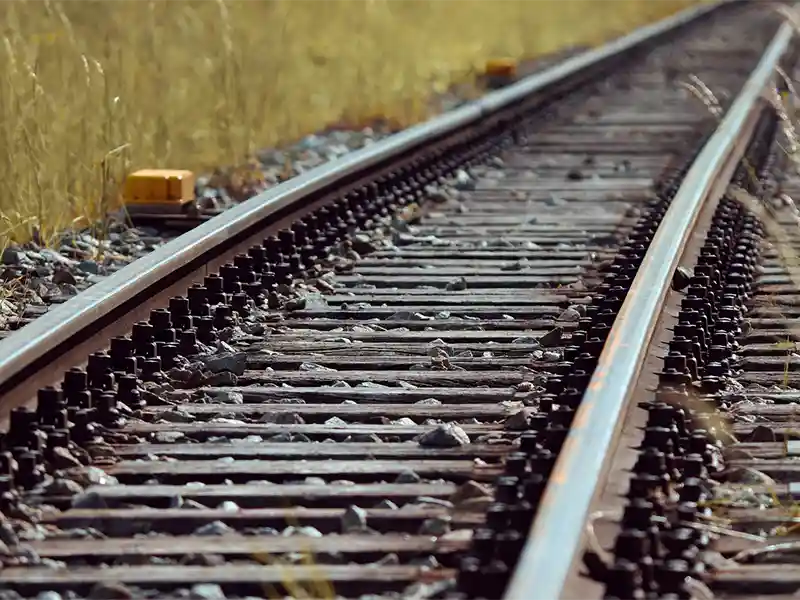
Why Most Tracks Use an I-Section Rail?
From the vast networks of heavy-haul railways to the busy corridors of port cranes and tunnel boring operations, a common engineering element silently bears immense loads: the I-section rail.

What Is Railway Track Gauge
Railway track gauge refers to the distance between the inner sides of the two rails on a railway track. It is a fundamental aspect of railway engineering, as it determines the type of trains that can operate, their stability, and the load they can carry.
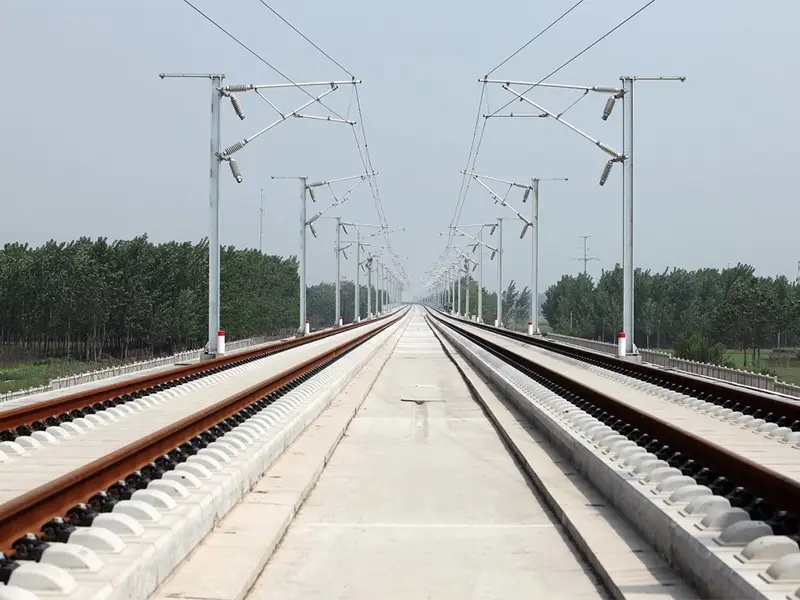
Train Track vs High Speed Rail: What’s the Difference?
A train track and a high-speed railway track may look similar on the outside – but they have fundamental differences in design, steel grades and performance requirements.
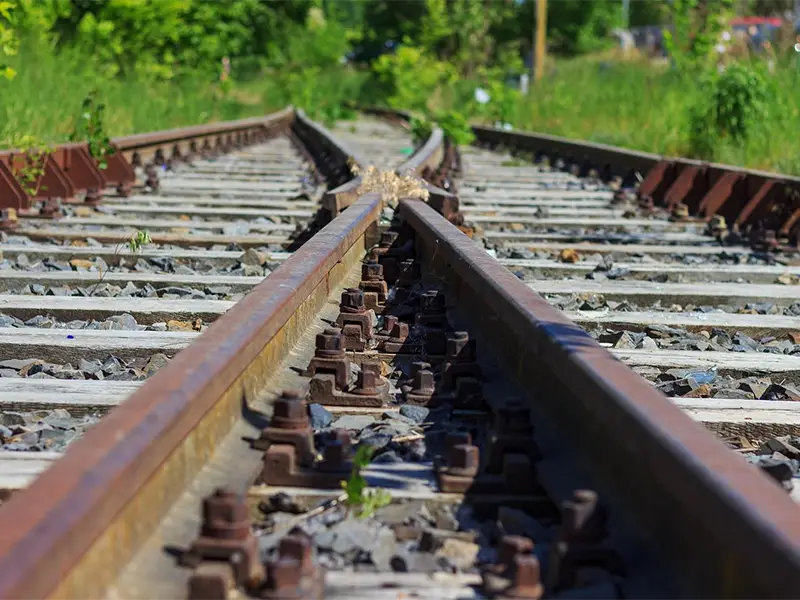
Why Aren’t Railroad Tracks Made of Stainless Steel?
The Surprising Truth Behind Those “Rusty” Rails. If you’ve ever stood beside railroad tracks — whether an old freight corridor or a newly laid high-speed line — you’ve probably noticed it: the rails look rusty.
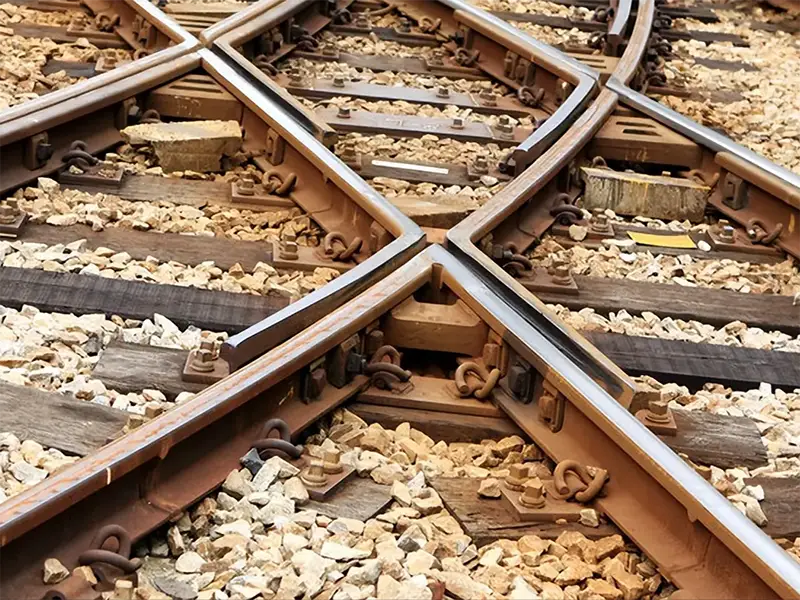
What Is Railway Ballast and Why It Matters
Railway ballast is the foundational layer of crushed stone you find beneath the railroad tracks. It plays several critical engineering roles in keeping railways safe and stable.
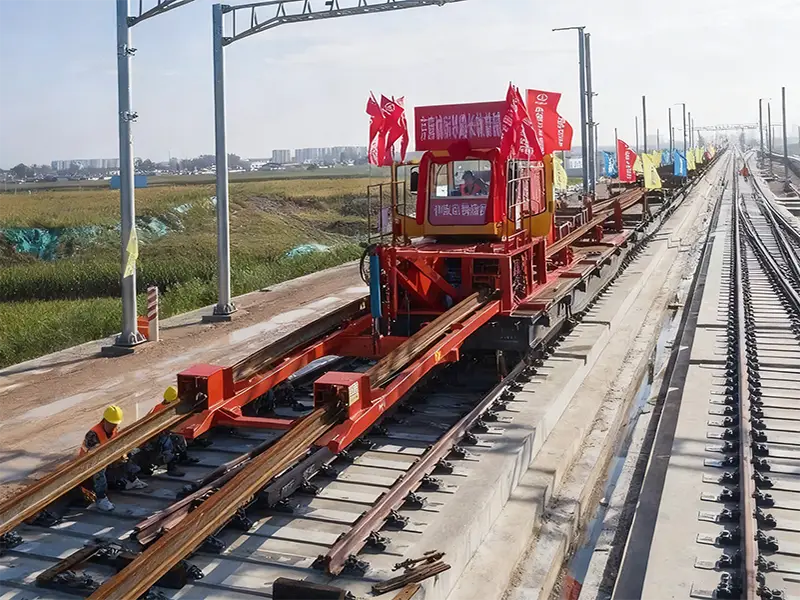
Railway Rail Recycling: Why “Recycled” Rails Don’t Return as New Track
If you’ve ever seen old, rusting railway rails stacked near a siding or lying beside a discontinued line, a logical question arises: why aren’t these massive steel beams recycled into new rails?