
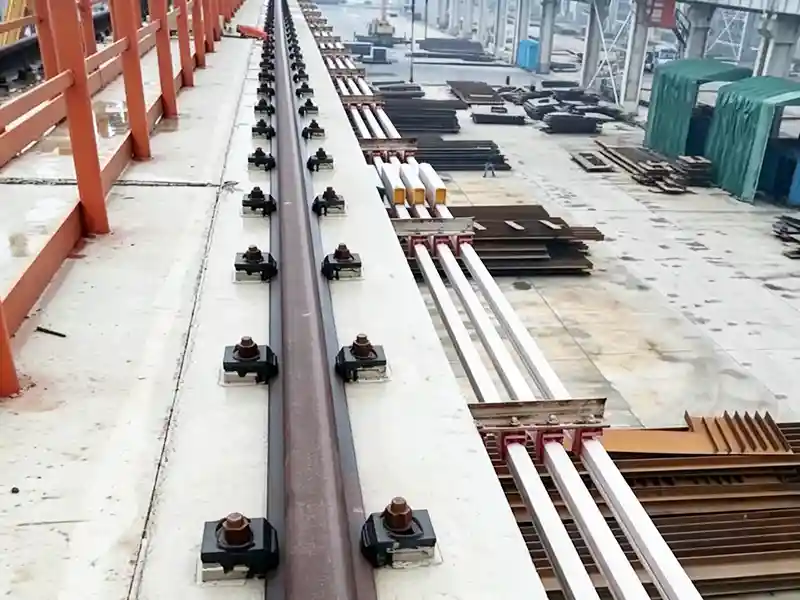
How Does Crane Rail Force Analysis Affect Rail Clamps?
In overhead crane systems, rail failure is rarely caused by the rail itself. In many real-world cases, the root cause lies in inadequate rail fixing systems, particularly the failure of rail clamps or clips.
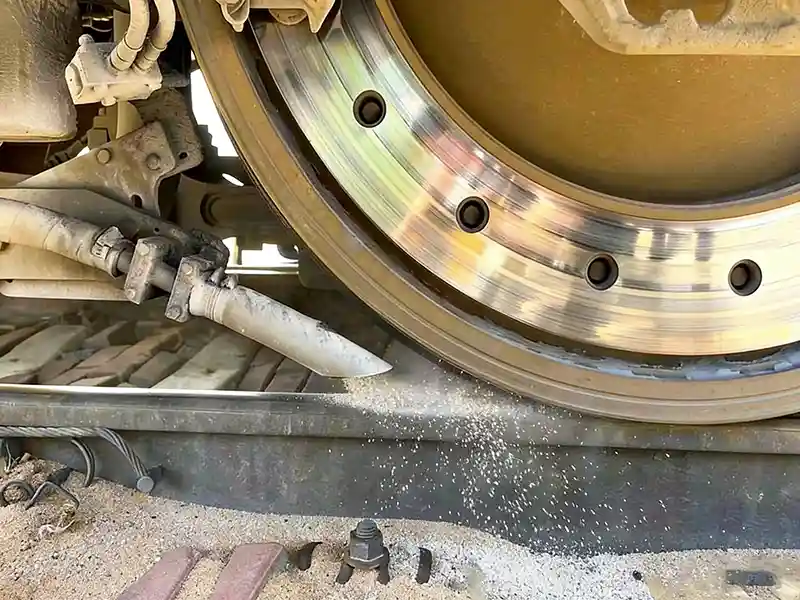
Why Does Wheel-Rail Adhesion Drop — and How Do Sanding Systems Actually Fix It?
If adhesion between the wheel and rail drops, you notice it right away. The train struggles to accelerate, braking becomes less predictable, and in bad cases, wheels start slipping.
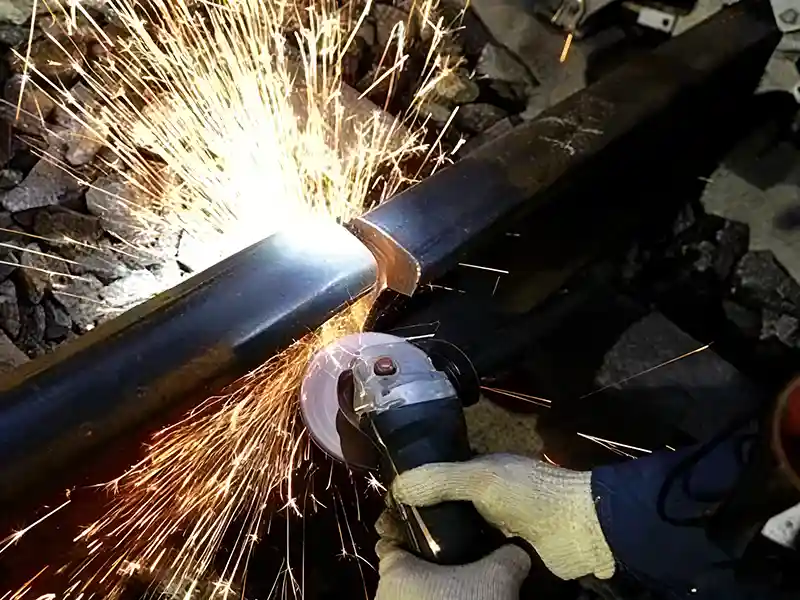
Why Aren’t Railway Rails Fully Welded Together?
Railway rails are not fully welded together because steel expands and contracts with temperature changes.
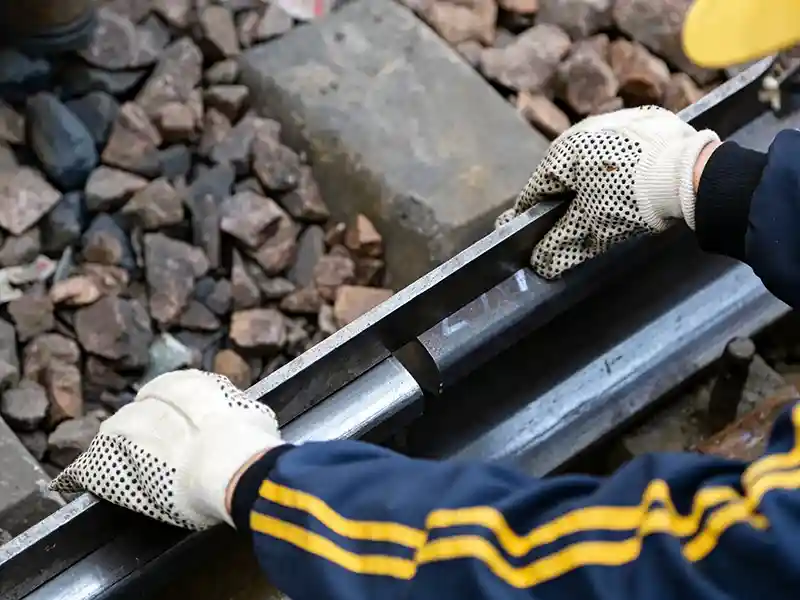
Rail Expansion Joints and CWR: Engineering Stability in Modern Tracks
The fundamental challenge of railway engineering is a simple physical reality: steel expands and contracts.
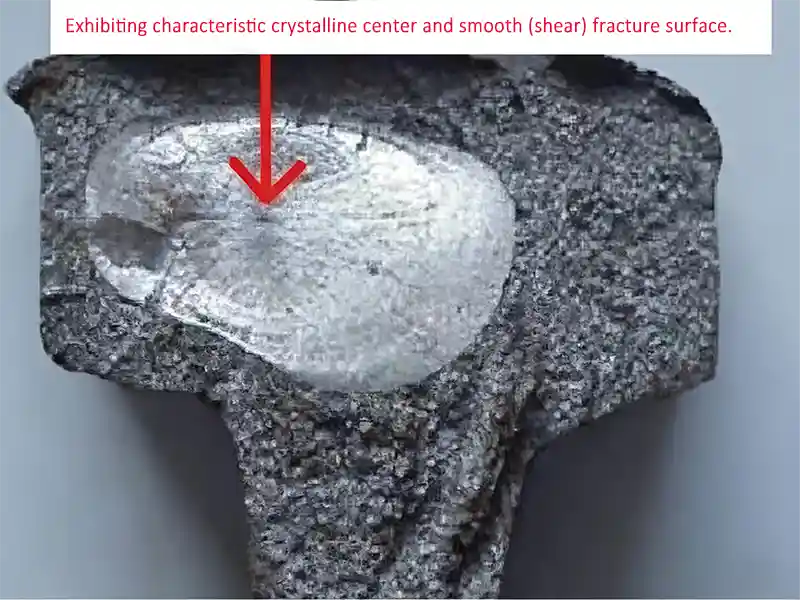
Transverse Rail Defects: Types, Detail Fractures & Failure Analysis
Transverse rail defects refer to fatigue cracks that develop in a plane perpendicular to the longitudinal direction of the rail.
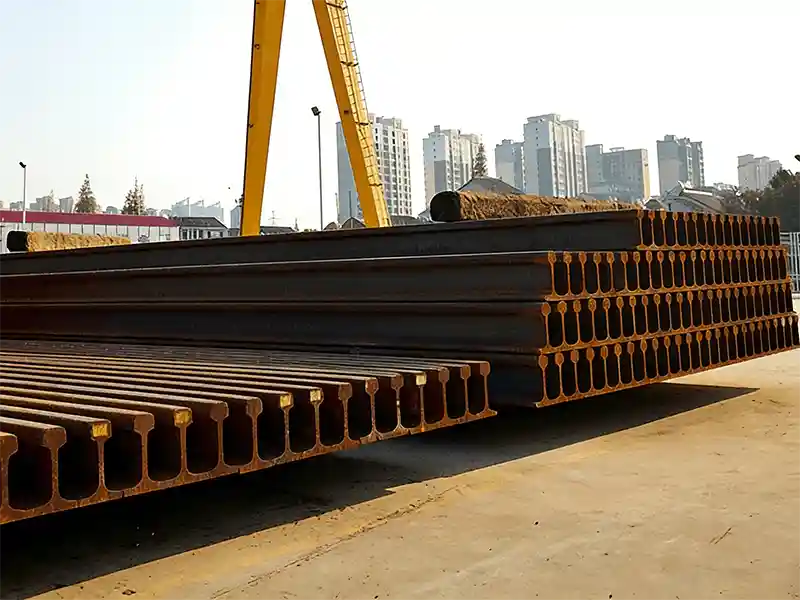
Technical Specifications and Safety Management for Rail Stacking and Storage
Steel rails are the backbone of any railway infrastructure. Their storage quality directly impacts the safety and long-term stability of the track laying process.