
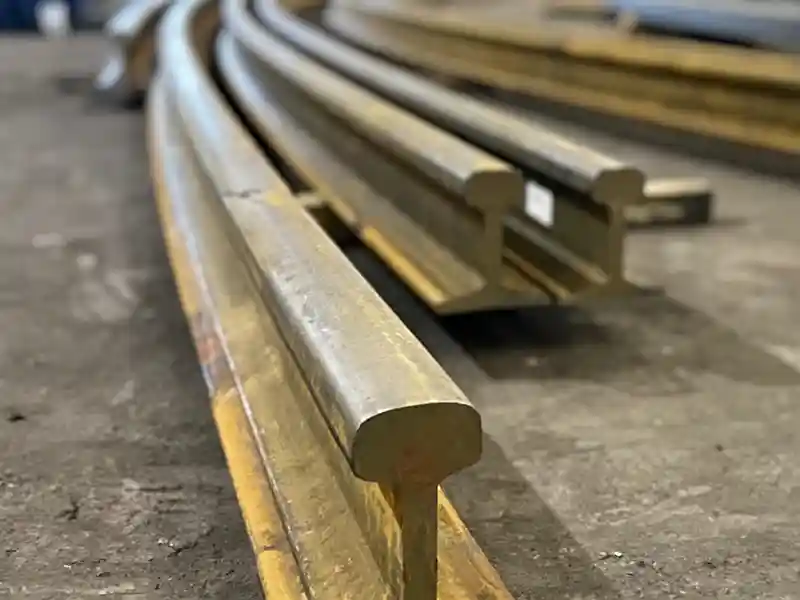
Why is rail bending necessary?
Railway lines are not ideally straight. Due to terrain, urban planning, and operational constraints, curved tracks are inevitable. As the component that directly supports and guides trains, rails must precisely match the geometric shape of the track.
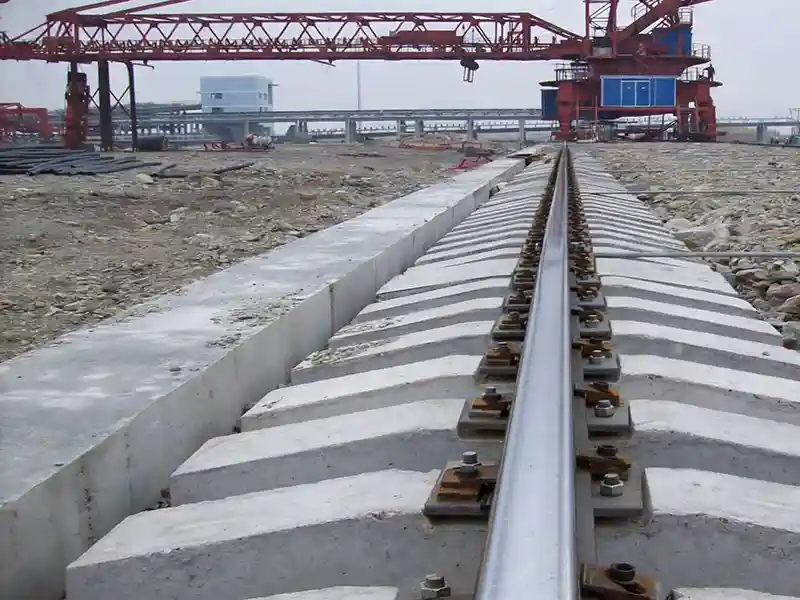
Rail Clips for Cranes: Rigid vs. Flexible Fixing Systems in Ports
Rail clips for cranes are the critical components that connect the rail to the supporting foundation, responsible for transferring loads, maintaining gauge, and absorbing dynamic impacts.
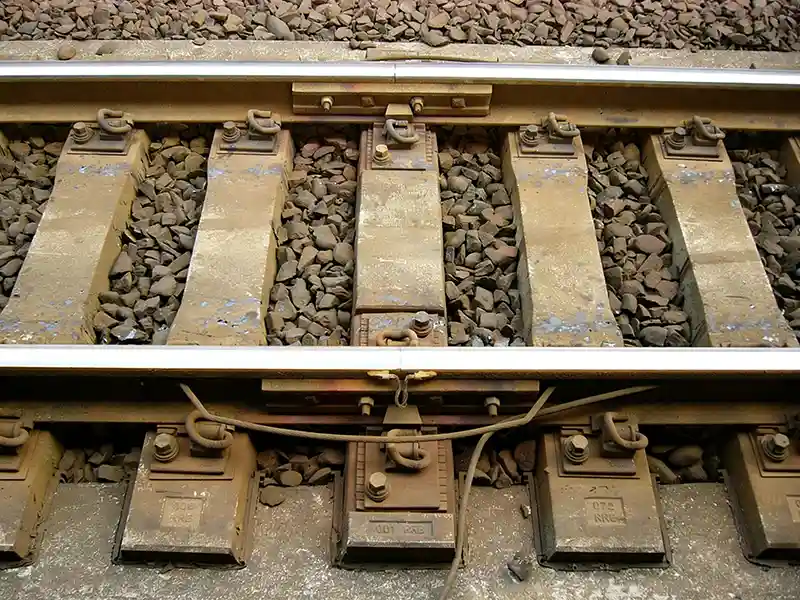
Types of Railway Fishplates
Railway fishplates, also known as splice bars, continue to be the foundation of the track at turnouts, transition zones, and sections where site constraints prevent welding.

Comprehensive Guide to Bridge Crane Tracks Safety Inspection and Maintenance
In any industrial bay, the bridge crane tracks are literally the backbone of your operations. But let’s be honest: because they’re tucked away high on the runway beams, they are often “out of sight, out of mind” until a loud screeching sound or a jagged movement halts production.

How to Prevent Rail Fracture During Winter Railway Operations
One of the biggest safety hazards for railroad operations in the winter is rail fracture. Steel rails undergo more thermal contraction and a reduction in material toughness when the surrounding temperature drops.

What Causes Rail Spalling and Why Can It Lead to Rail Fracture?
In recent years, rail fractures caused by spalling defects have occurred repeatedly, posing serious risks to railway operation safety.