
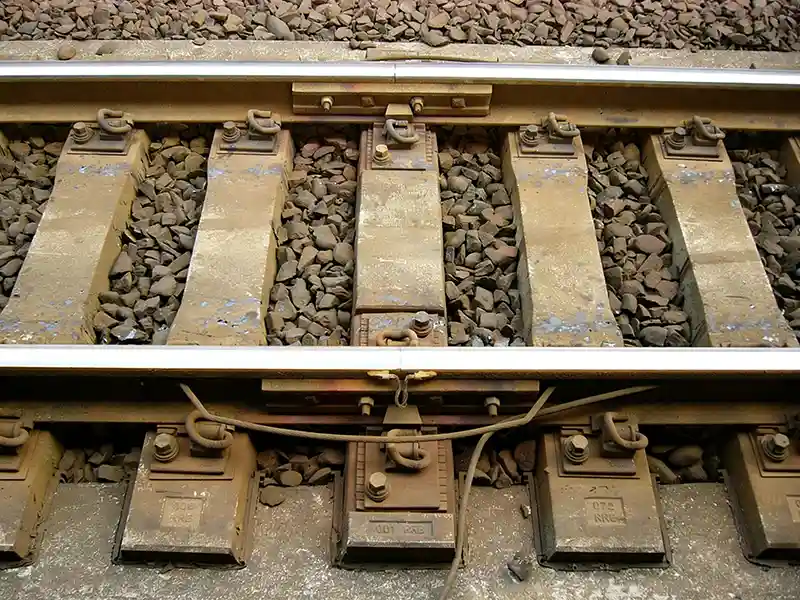
We are unable to simply weld every junction in the network, despite the growth of Continuous Welded Rail (CWR). Railway fishplates, also known as splice bars, continue to be the foundation of the track at turnouts, transition zones, and sections where site constraints prevent welding.
These plates do more than just hold steel together; they clamp the rail web tight to maintain a level running surface and absorb the constant pounding of heavy wheel loads. This guide breaks down the different fishplate designs you’ll encounter in modern track maintenance.
1. Classification by Rail Type
The most fundamental requirement of a fishplate is a perfect profile match with the rail it connects.
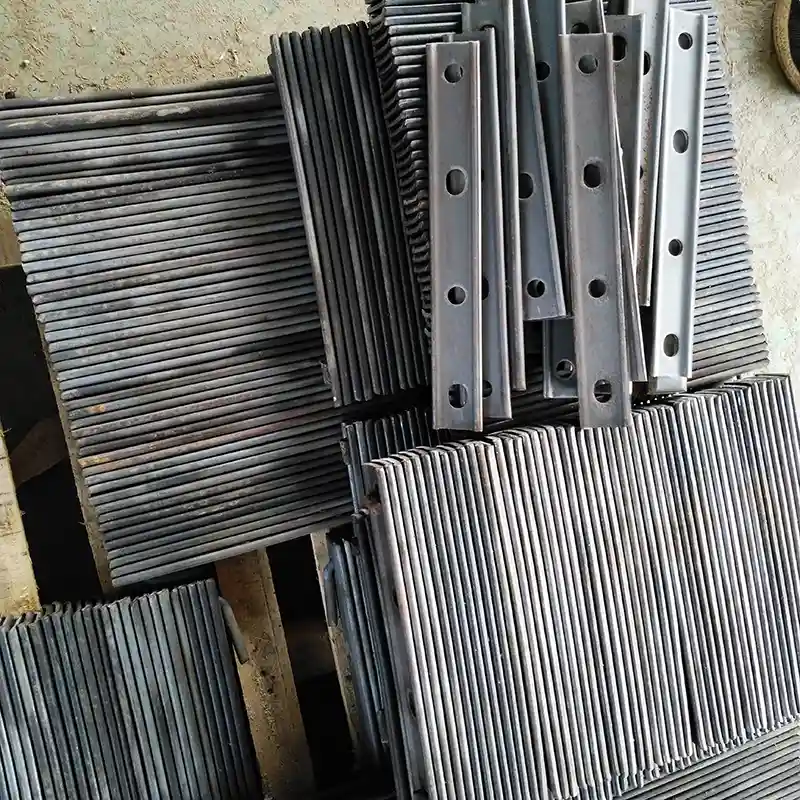
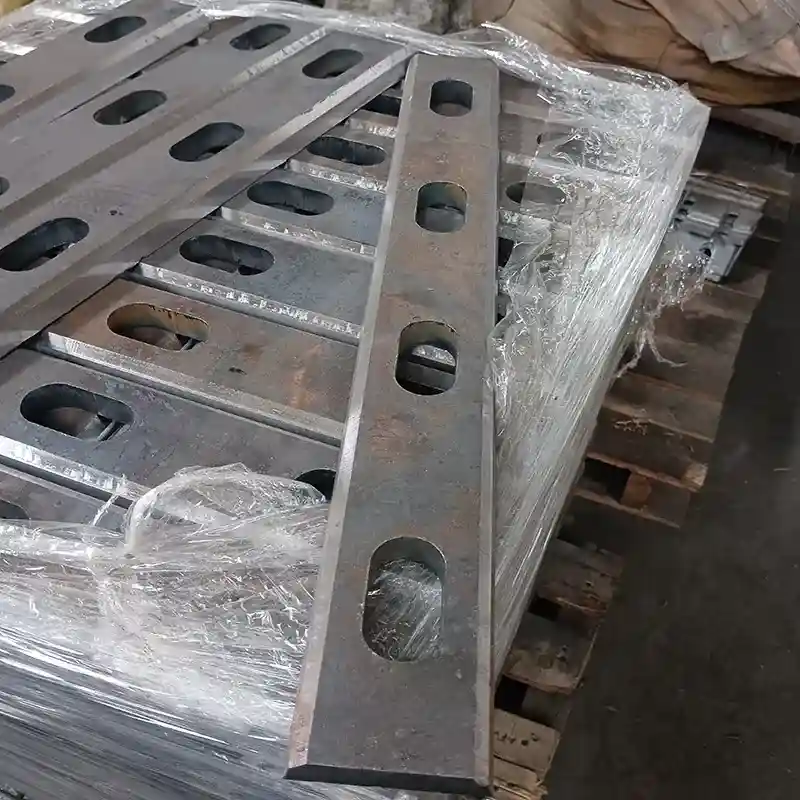
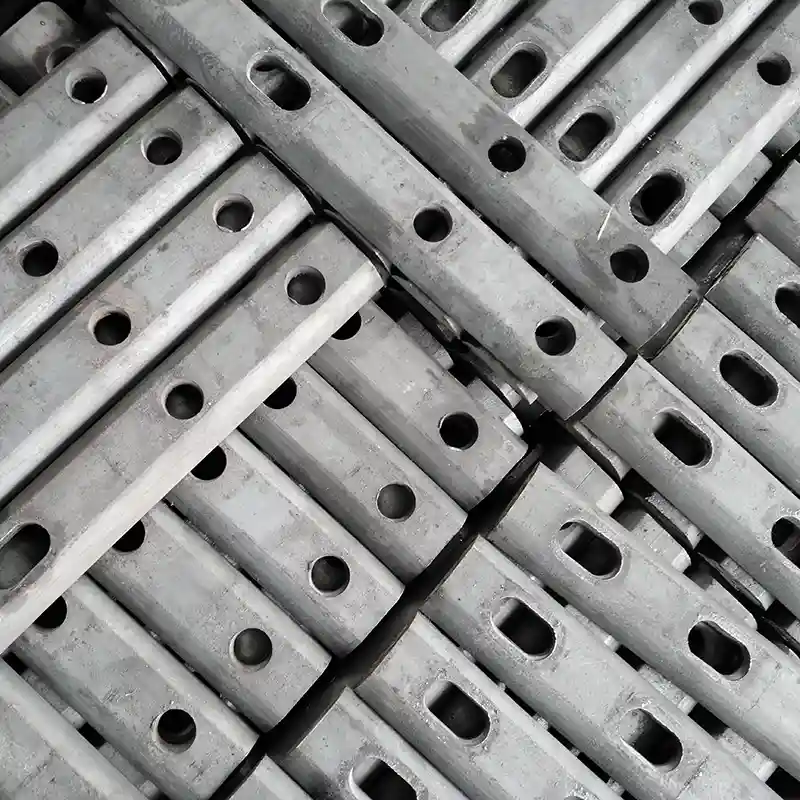
- Light Railway Fishplates: Designed for tracks ranging from 8kg/m to 30kg/m. These are typically found in mining operations, forestry rails, and temporary construction tracks where axial loads are relatively low.
- Heavy Railway Fishplates: The workhorses of the industry, used for rails between 38kg/m and 60kg/m (or heavier, such as 75kg/m). These are standard for national transit lines, subways, and heavy-haul freight corridors.
- Crane Railway Fishplates: Specifically engineered for the QU series (e.g., QU70, QU100). Because crane rails endure massive vertical pressure and frequent impact, these fishplates are thicker and often feature a denser bolt-hole configuration.
2. Classification by Structural Shape
Different track geometries require specialized fastening solutions.
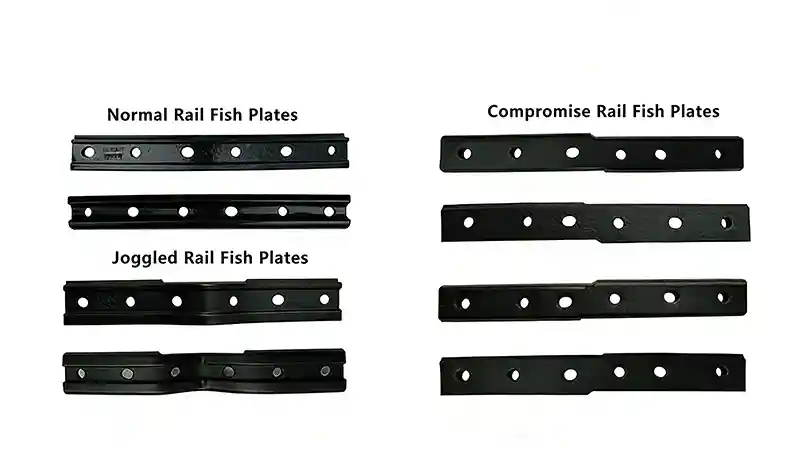
- Standard Fishplates: These feature a symmetrical double-headed design that fits snugly into the fishing surface between the rail head and the base. They are the go-to solution for connecting two identical rail sections.
- Joggled (Offset) Fishplates: A specialized variant used to connect rails of different heights or cross-sections. You will often see these at the transition between a 50kg/m and a 60kg/m line, or within complex turnout systems where standard profiles meet specialized switch rails.
3. Classification by Functional Features
Modern signaling and maintenance requirements have led to the development of high-tech joint solutions.
Insulated Fishplates
In sections using automatic block signaling, the rails act as electrical conductors. To prevent short circuits at joints, insulated fishplates are used. They utilize high-strength nylon or epoxy materials to provide mechanical support while maintaining total electrical isolation.
Glued Insulated Joints (GIJ)
Considered the premium version of insulation, these joints use high-performance adhesives to bond the fishplates, insulation, and rail permanently. GIJs offer superior rigidity and can withstand the immense longitudinal thermal forces found in CWR, making them the gold standard for high-speed rail.
Emergency/Repair Fishplates
Used for rapid response during track damage, these plates are designed to “bridge” over a rail crack or break. They allow trains to pass at reduced speeds until a permanent rail replacement can be performed.
4. Classification by Material Composition
The durability of a joint depends heavily on its metallurgy.
- Carbon Steel: The traditional choice (often Q235 or higher grades). These are rolled or forged to provide a balance of toughness and cost-efficiency.
- Composite Materials: Made from glass fiber reinforced plastics (FRP). These are naturally non-conductive and highly resistant to corrosion, making them ideal for tunnels, coastal areas, or level crossings.
5. Classification by Bolt-Hole Configuration
The number of bolts determines the joint’s resistance to bending and tension.


| Type | Common Length | Typical Usage |
| 4-Hole Fishplate | 790mm – 820mm | Standard for most general-purpose freight and passenger lines. |
| 6-Hole Fishplate | 900mm+ | Used for heavy-haul lines, steep gradients, or bridge approaches where extra stability is required. |
Conclusion
Selecting the correct railway fishplate is not just a matter of fit; it is a matter of operational safety. From the simple mechanical connection of a carbon steel plate to the complex electrical isolation provided by glued joints, each type serves a specific niche in the global transport network. As axle loads increase and speeds rise, the innovation in fishplate materials continues to ensure that the “joints” of the railway remain its strongest link.