

Railroad Track Components Explained: How Each Part Works Together
A railroad track is mainly composed of rails, sleepers (ties), fastening systems, turnouts, ballast, and the subgrade. Each of these railroad track components plays a specific role in supporting train operation.
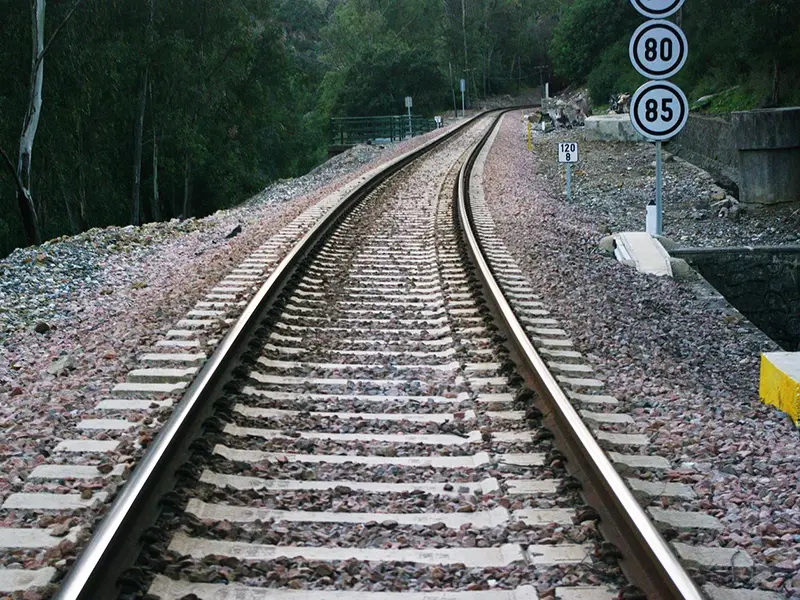
What Is Railroad Track Steel Made Of and Why It Matters
Railroad track steel is not just “steel shaped like a rail.” It is a purpose-engineered material designed to survive decades of heavy loading, constant wheel contact, and environmental exposure that would quickly destroy ordinary structural steel.

Crane Rail vs Railroad Rail: What’s the Real Difference?
If you’re new to the world of steel rails, it’s easy to look at a piece of crane rail and a piece of railroad rail and think, “A rail is a rail, right?”

Head-Hardened Rails: Why They Matter in Ports and Heavy Industrial Transport
Head-hardened rails are gradually becoming a key component of modern heavy transportation systems, especially in port mining areas, logistics hubs and large industrial plants.
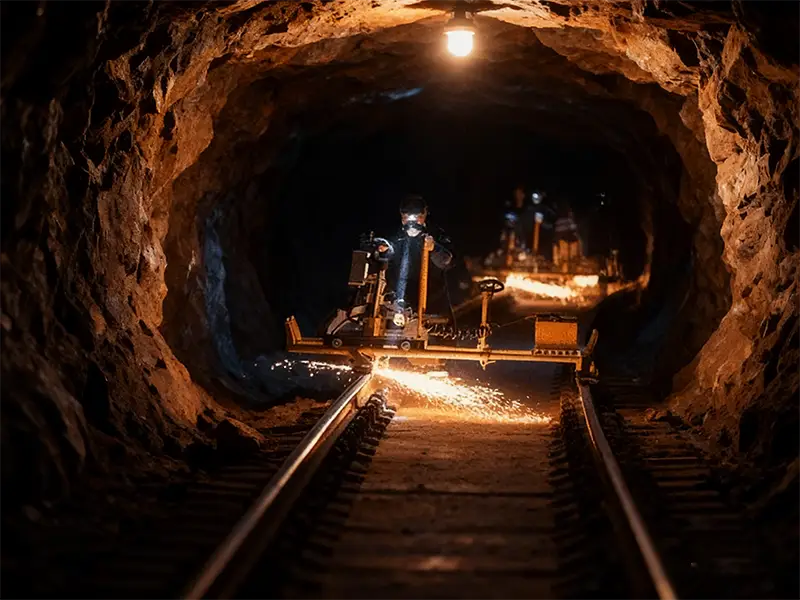
Track Laying Standards and Quality Requirements in Underground Mines
Track laying is a critical part of underground mining transportation systems. High-quality rail installation ensures safe haulage, reduces derailments, and extends the service life of locomotives and wagons.
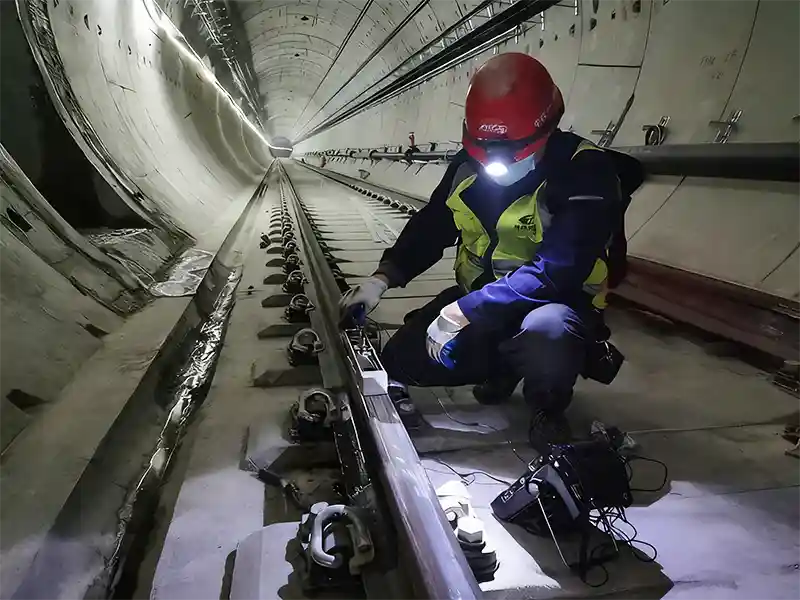
Rail Ultrasonic Testing: Ensuring Defect-Free Rails
Rail Ultrasonic Testing plays a critical role in ensuring the long-term safety, durability, and reliability of modern railway infrastructure.