
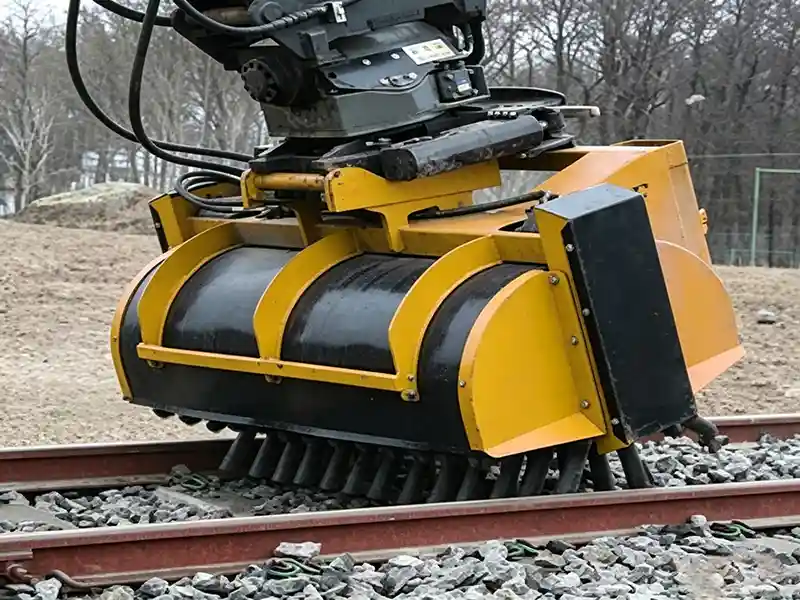
Why is a Rail Sweeper on Iron Ore Site Operations Essential?
In the demanding world of bulk material handling, efficiency and safety are inextricably linked.

In the demanding world of bulk material handling, efficiency and safety are inextricably linked.
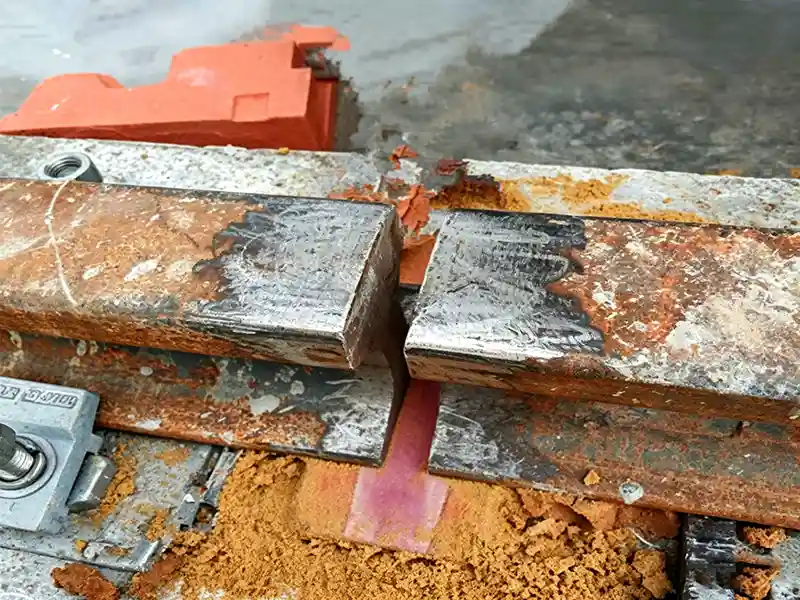
Maintaining a perfectly straight, level, and structural track is the most critical challenge in crane runway installation.
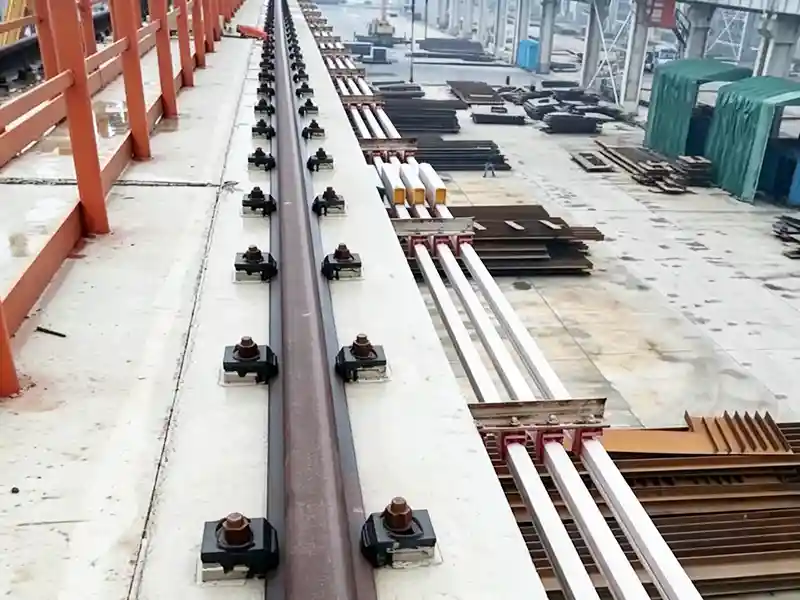
In overhead crane systems, rail failure is rarely caused by the rail itself. In many real-world cases, the root cause lies in inadequate rail fixing systems, particularly the failure of rail clamps or clips.
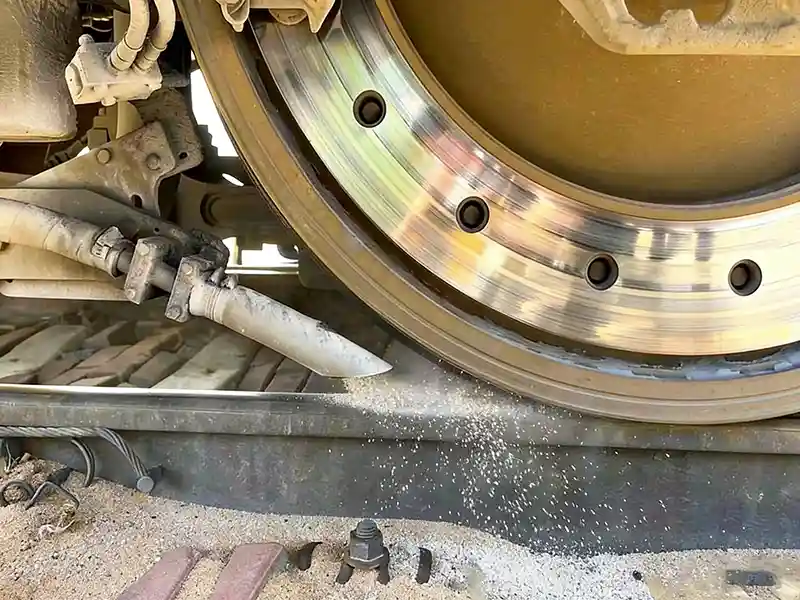
If adhesion between the wheel and rail drops, you notice it right away. The train struggles to accelerate, braking becomes less predictable, and in bad cases, wheels start slipping.
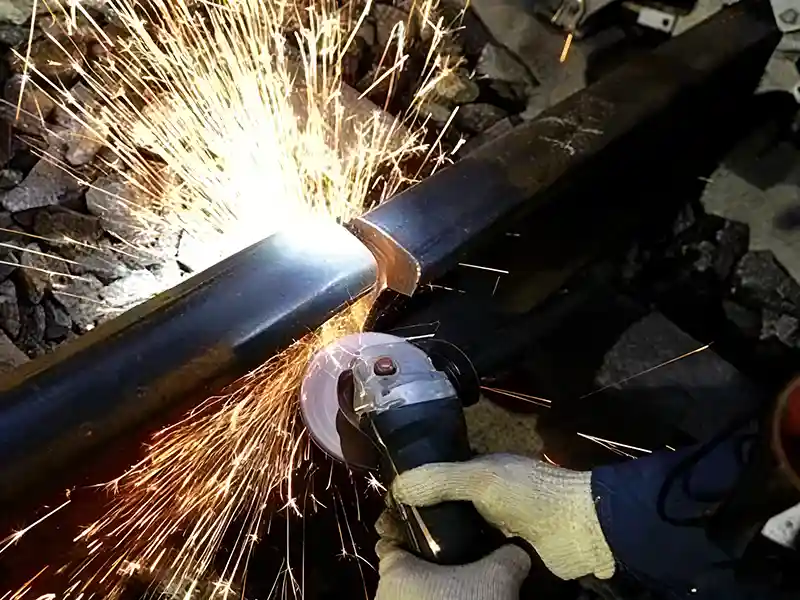
Railway rails are not fully welded together because steel expands and contracts with temperature changes.
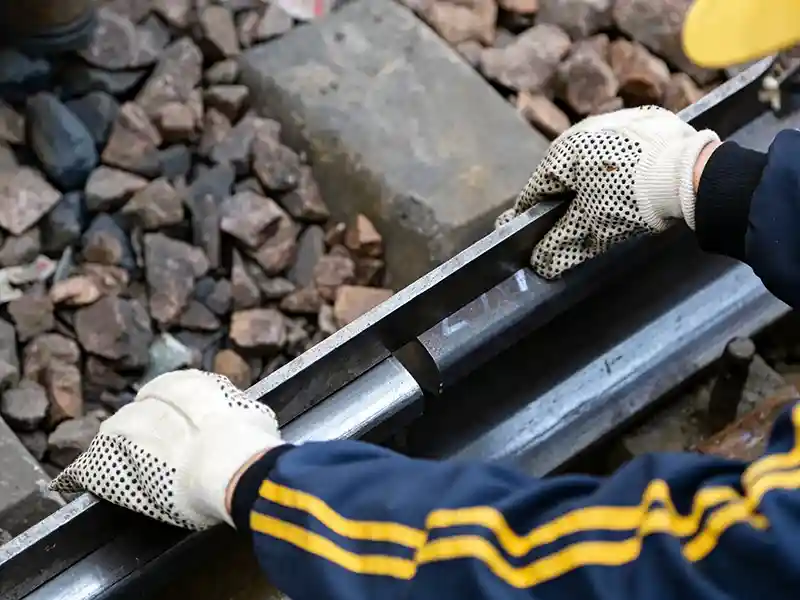
The fundamental challenge of railway engineering is a simple physical reality: steel expands and contracts.
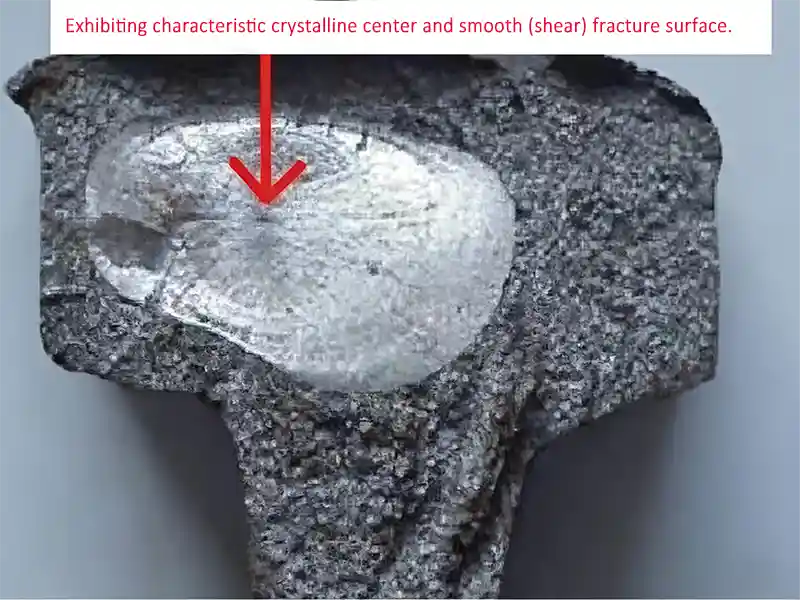
Transverse rail defects refer to fatigue cracks that develop in a plane perpendicular to the longitudinal direction of the rail.
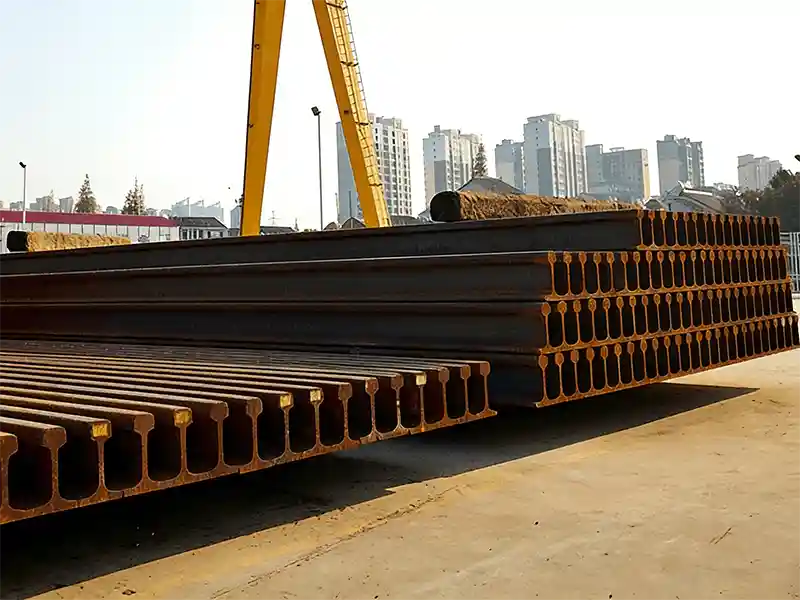
Steel rails are the backbone of any railway infrastructure. Their storage quality directly impacts the safety and long-term stability of the track laying process.
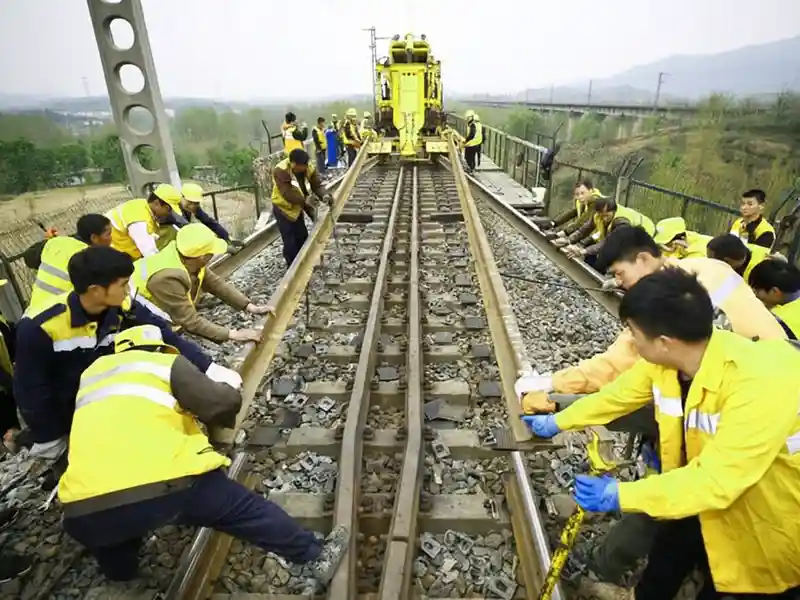
One of the biggest advances in railway engineering is the switch from conventional jointed tracks to Continuous Welded Rail (CWR).
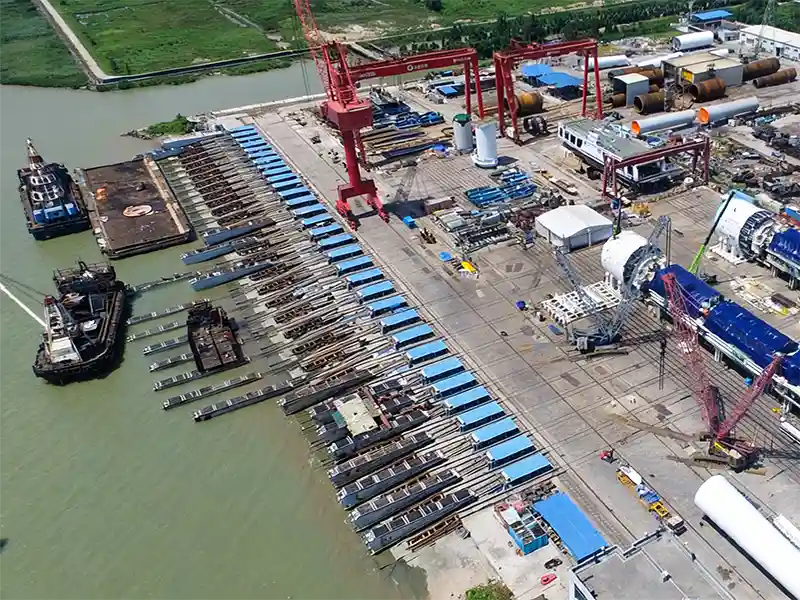
In medium and small-scale shipyards, the safe transition of a vessel from land to water (and vice versa) depends on a specialized heavy-load infrastructure: the rail-mounted mechanized slipway.