

Crane Rail vs Railroad Rail: What’s the Real Difference?
If you’re new to the world of steel rails, it’s easy to look at a piece of crane rail and a piece of railroad rail and think, “A rail is a rail, right?”

If you’re new to the world of steel rails, it’s easy to look at a piece of crane rail and a piece of railroad rail and think, “A rail is a rail, right?”

Head-hardened rails are gradually becoming a key component of modern heavy transportation systems, especially in port mining areas, logistics hubs and large industrial plants.
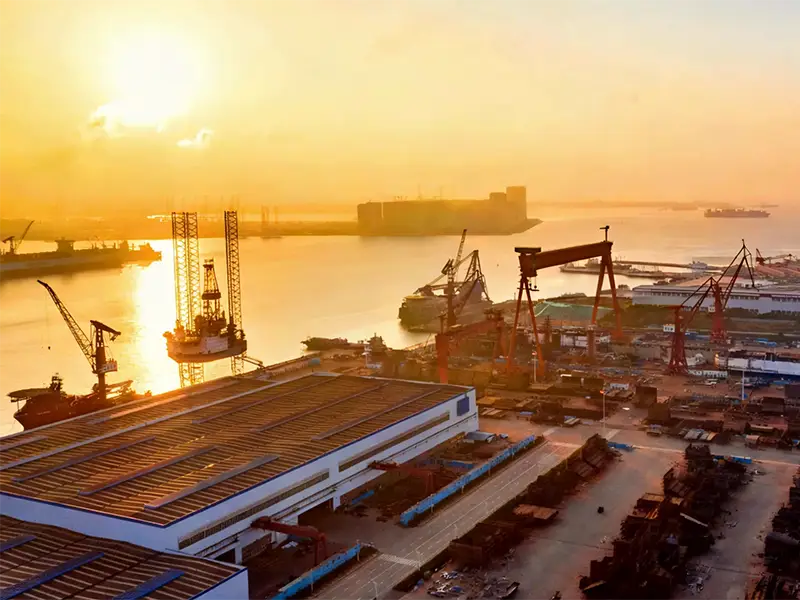
Singapore’s shipbuilding sector depends on stable, low-vibration material handling systems to keep production efficient and safe.
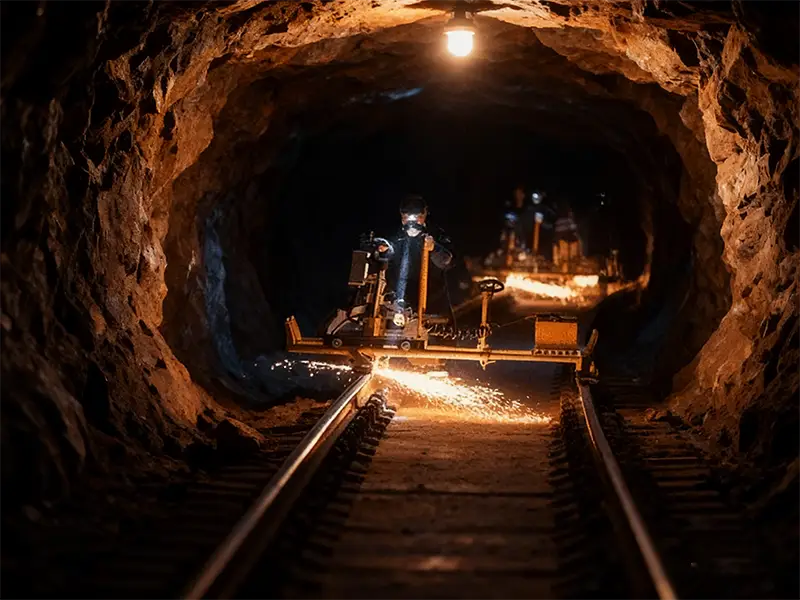
Track laying is a critical part of underground mining transportation systems. High-quality rail installation ensures safe haulage, reduces derailments, and extends the service life of locomotives and wagons.
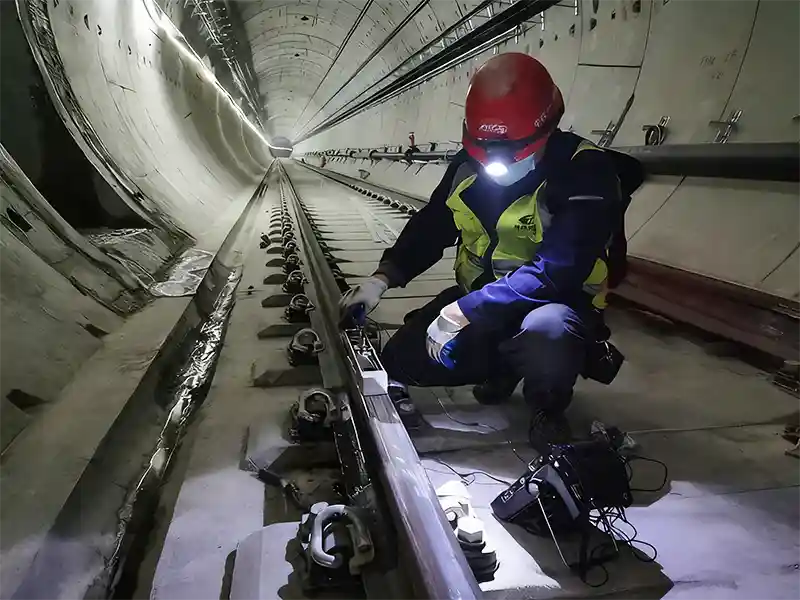
Rail Ultrasonic Testing plays a critical role in ensuring the long-term safety, durability, and reliability of modern railway infrastructure.

At present, in the domestic mining tracks field, 55Q (high-strength type) and Q235 (economic type) are the two mainstream materials.
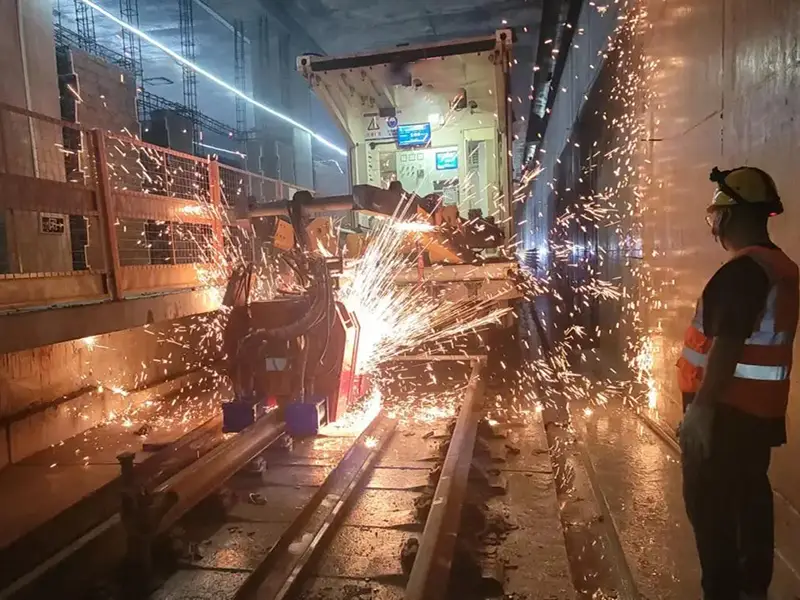
As high-speed rail systems keep expanding, the quality of rail welding plays a big role in how safe and smooth the ride is.
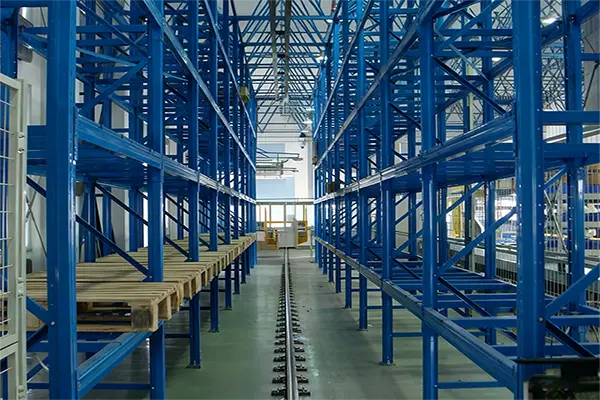
In today’s age of smart storage, rails aren’t just steel—they’re the quiet drivers powering speed and precision in automated warehouses. We’re talking about high-bay shelving systems with stacker cranes (also known as AS/RS), where the stacker crane rails become the backbone of fast, accurate goods movement.
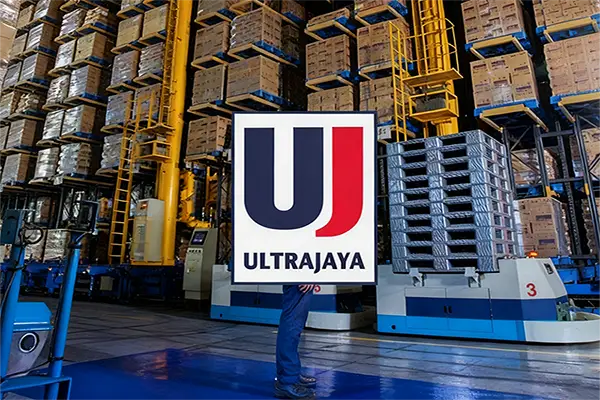
In today’s fast-moving logistics world, a solid warehouse rail system is the backbone of any automated facility. It ensures stability, precision, and long-term efficiency for heavy-duty material handling.

Glory Rail has completed the supply and technical support for the port rail system at the RMC terminal of Jurong Port, Singapore.