
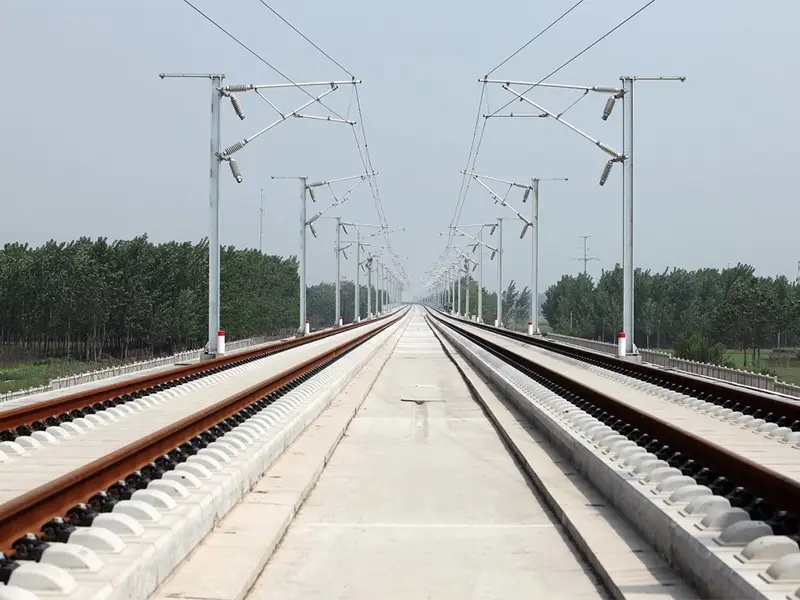
Train Track vs High Speed Rail: What’s the Difference?
A train track and a high-speed railway track may look similar on the outside – but they have fundamental differences in design, steel grades and performance requirements.
A train track and a high-speed railway track may look similar on the outside – but they have fundamental differences in design, steel grades and performance requirements.
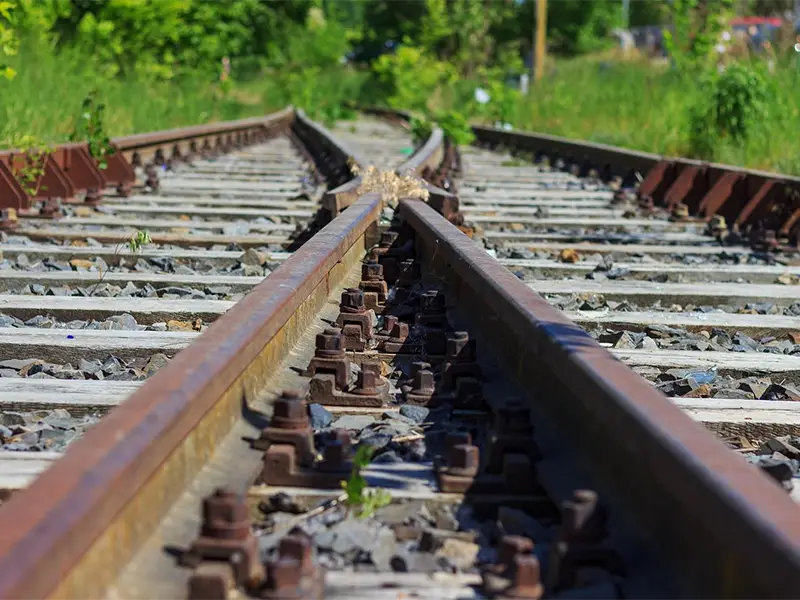
The Surprising Truth Behind Those “Rusty” Rails. If you’ve ever stood beside railroad tracks — whether an old freight corridor or a newly laid high-speed line — you’ve probably noticed it: the rails look rusty.
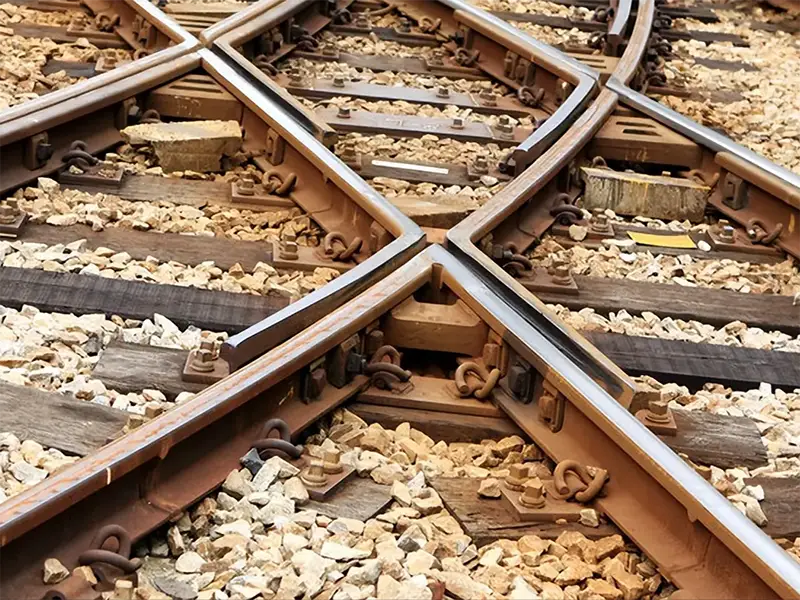
Railway ballast is the foundational layer of crushed stone you find beneath the railroad tracks. It plays several critical engineering roles in keeping railways safe and stable.
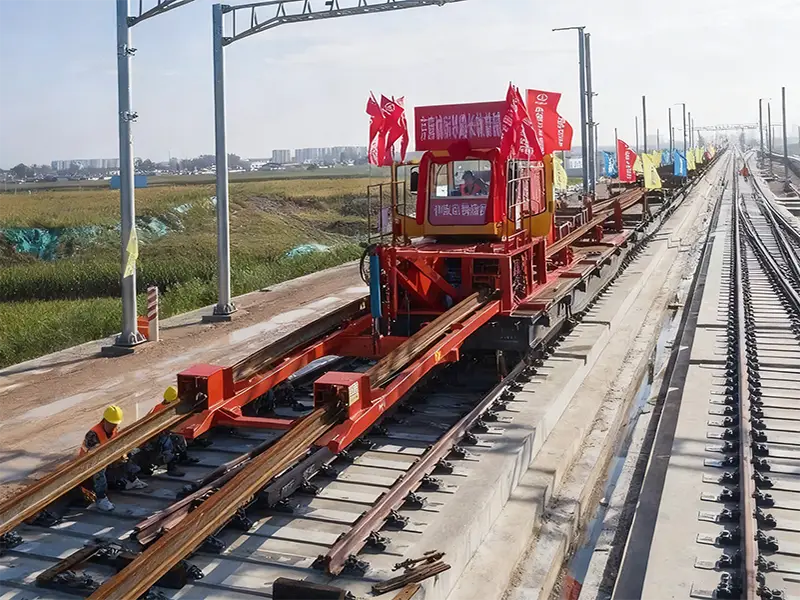
If you’ve ever seen old, rusting railway rails stacked near a siding or lying beside a discontinued line, a logical question arises: why aren’t these massive steel beams recycled into new rails?

A railroad track is mainly composed of rails, sleepers (ties), fastening systems, turnouts, ballast, and the subgrade. Each of these railroad track components plays a specific role in supporting train operation.
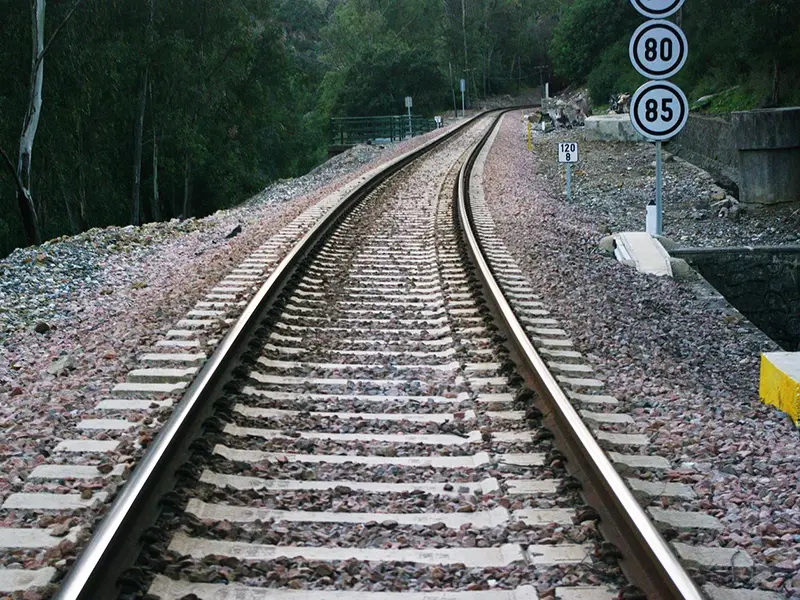
Railroad track steel is not just “steel shaped like a rail.” It is a purpose-engineered material designed to survive decades of heavy loading, constant wheel contact, and environmental exposure that would quickly destroy ordinary structural steel.

If you’re new to the world of steel rails, it’s easy to look at a piece of crane rail and a piece of railroad rail and think, “A rail is a rail, right?”

Head-hardened rails are gradually becoming a key component of modern heavy transportation systems, especially in port mining areas, logistics hubs and large industrial plants.
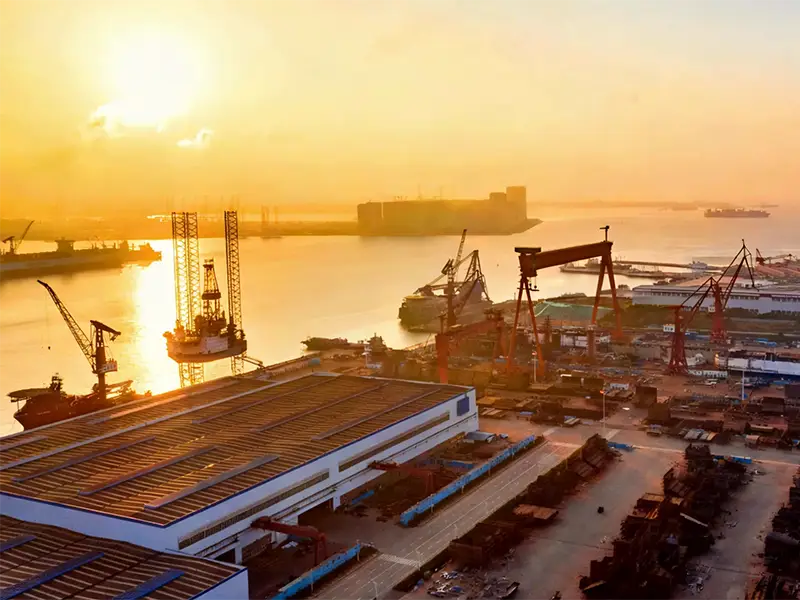
Singapore’s shipbuilding sector depends on stable, low-vibration material handling systems to keep production efficient and safe.