
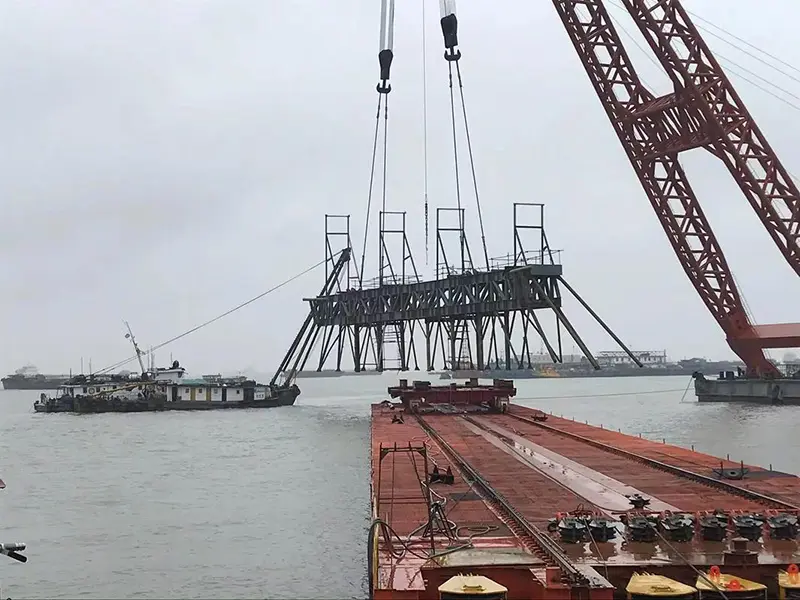
1. Introduction and Overview
In the modern shipbuilding and ship repair industries, the launching, hauling out, and repositioning of vessels are critical processes that determine a shipyard’s operational efficiency and safety. The Slipway Rail System, as a mature and efficient solution for vertical and inclined vessel transport, uses rails and trolleys laid on an inclined embankment to haul vessels from the water to onshore work stations, or vice versa. Compared to traditional air-cushion launching or large floating docks, slipway systems demonstrate exceptional site adaptability, operational controllability, and life-cycle cost advantages in the construction and repair of medium-sized vessels (typically ranging from several hundred metric tons to 10,000 metric tons). This paper aims to provide an in-depth analysis of the system’s core architecture, engineering design considerations, safety standards, and future trends toward intelligent development.
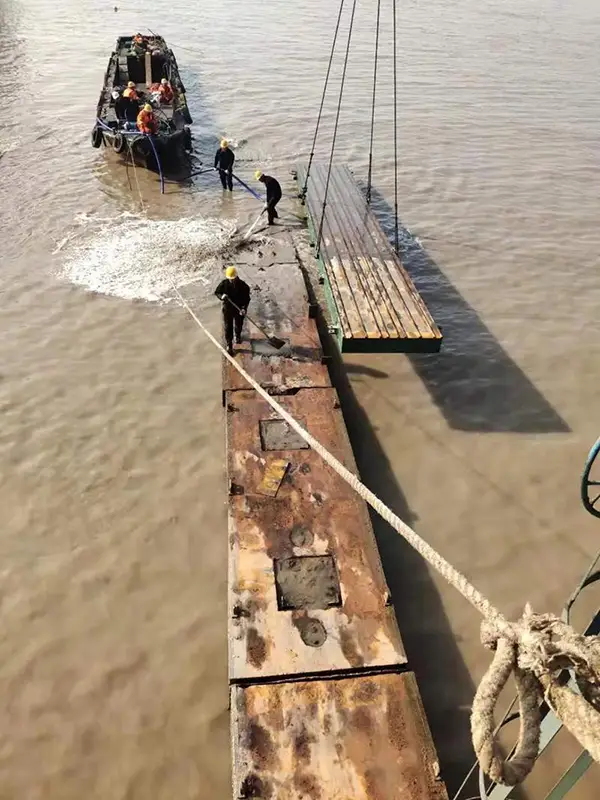
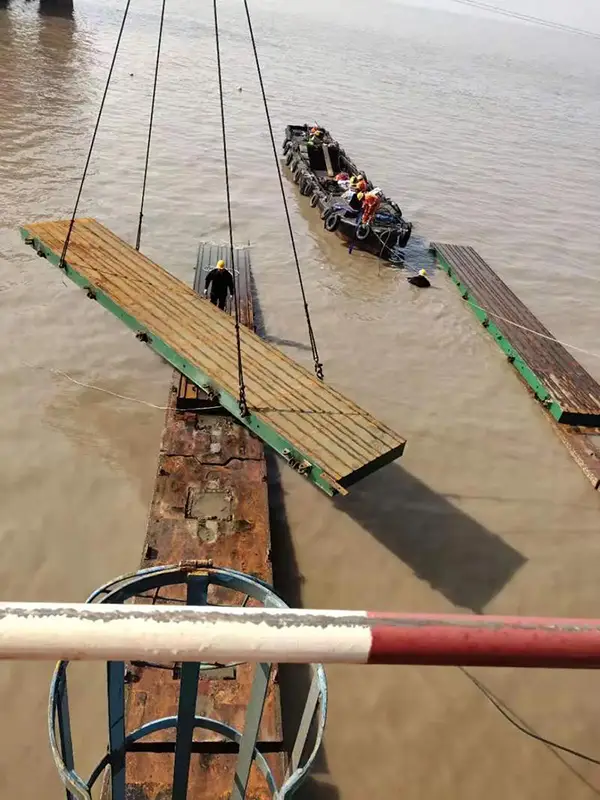
2. Core Components of the System
A complete slide track system is a highly integrated mechatronic engineering project, primarily consisting of the following four core modules:
Slipway Rail System: Typically constructed using high-strength heavy-duty rail steel (such as QU series and DIN 536 crane rails), laid on reinforced concrete foundations or pile foundations that have undergone rigorous geological treatment to ensure no uneven settlement occurs under long-term heavy loads.
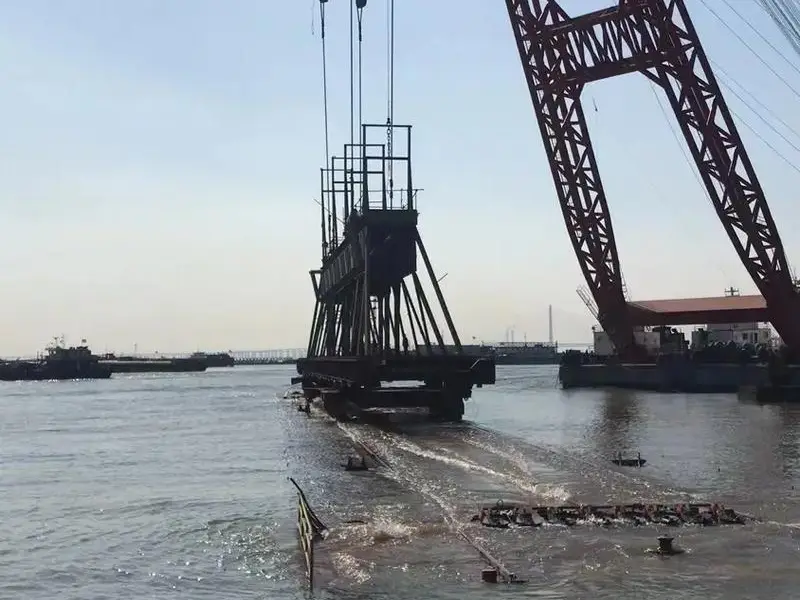
Transfer Cars/Cradles System: A mobile platform that supports the vessel’s weight. Modern transfer cars are typically equipped with hydraulically or electrically adjustable supports that can adapt to the vessel’s hull form and weight distribution, ensuring uniform force distribution across the hull and preventing deformation caused by localized stress concentrations.
Traction and Drive System: The “muscles” of the system. The current mainstream configuration consists of heavy-duty winches paired with high-strength steel wire ropes. The drive method is shifting from traditional hydraulic drive to variable frequency drive (VFD), which offers significant advantages in terms of speed control precision and energy efficiency.
Centralized Control System: The “brain” of the system. Based on a PLC (Programmable Logic Controller) architecture, its core function is the synchronized control of multiple winches and multiple trolleys. Through real-time feedback from encoders and tension sensors, it ensures that the speed and tension at each traction point remain highly consistent during startup, operation, and braking.
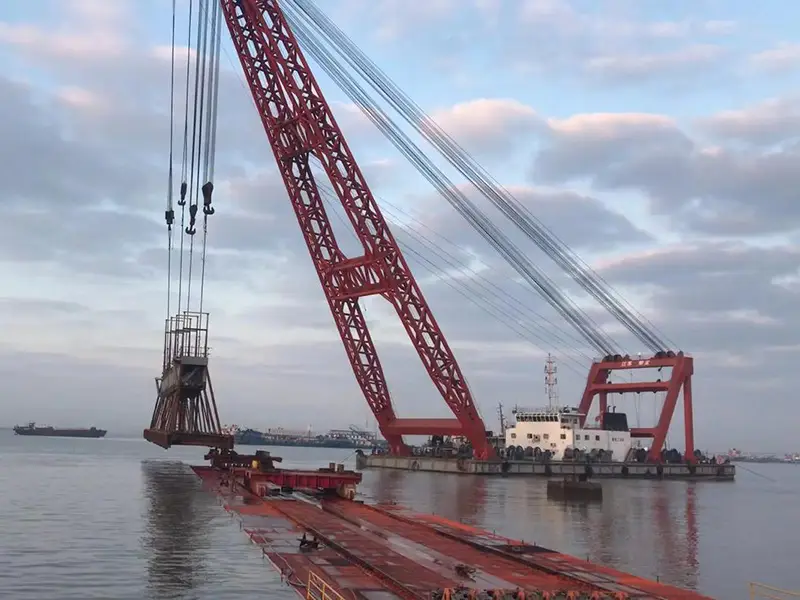
3. Operating Principles and Procedures
The standard operating procedures for the slipway system are highly standardized to ensure the safety of both the vessel and personnel:
Hauling Out: After the vessel arrives at the port and is positioned, the empty carriage slides down the track and submerges into the water to the predetermined depth. The vessel adjusts its attitude by controlling its ballast water and settles precisely onto the carriage’s supports. Subsequently, the towing system is activated, gently pulling the vessel at an extremely low and constant speed to the onshore repair and construction workstation.
Launching: Once repairs or construction are complete, the fasteners securing the vessel to the skid are released. The system either uses a controlled release via a towing winch or relies on gravity in conjunction with a braking system to allow the vessel to slide smoothly down the slipway into the water until it reaches a safe state of buoyancy.
Transverse Transfer: In modern shipyards equipped with a transverse transfer zone, the transport carriage can use a turntable or transverse transfer tracks to move the vessel from the main slipway to one of several parallel repair and construction berths, greatly improving the shipyard’s land utilization.
4. Engineering Design and Key Considerations
The design of a slipway system is an interdisciplinary field involving civil, mechanical, and marine engineering, and the following factors must be given priority consideration:
Load Calculations: In addition to calculating the vessel’s maximum displacement and deadweight, dynamic load factors (accounting for inertia during starting and braking), wind loads, water impact forces, and track friction resistance must also be factored in.
Geology and Gradient Design: The slipway gradient typically ranges from 1:10 to 1:20. A gradient that is too steep increases braking difficulty and wire rope wear, while one that is too gentle prevents the trolley from fully submerging in the water. The foundation must undergo rigorous bearing capacity surveys and be designed to resist scouring.
Corrosion Protection and Material Selection: Given the marine environment characterized by high salt fog and high humidity, the system must employ robust corrosion protection strategies. Critical components (such as the trolley structural members) are often hot-dip galvanized, while the track and fasteners require a combination of zinc-rich epoxy primer and polyurethane topcoat, and may even be supplemented with a cathodic protection system using sacrificial anodes.
5. Safety Standards and Risk Management
Safety is the absolute priority in the operation of the slideway system. The system design must include multiple layers of redundant protection:
Hardware Safety Redundancy: Equipped with an emergency braking system independent of the main control system, a ratchet mechanism to prevent vehicle slippage, and a mechanical arresting device in the event of wire rope breakage.
Operational Safety: Strict no-entry zones must be designated and equipped with audible and visual alarm systems. During extreme weather conditions such as typhoons or high waves, the system must be capable of automatic anchoring and wind- and slip-resistant functions.
Compliance: Design and manufacturing must strictly adhere to relevant guidelines from the International Maritime Organization (IMO), regulations from major classification societies (such as DNV, ABS, and CCS), and the host country’s safety production regulations for large-scale special equipment.
6. Maintenance and Full Lifecycle Management
The high initial investment requires shipyards to implement scientific full lifecycle management:
Routine and Preventive Maintenance: This includes periodic laser inspection of track geometry, non-destructive testing (NDT) of steel wires, monitoring of bearing lubrication status, and periodic testing and insulation testing of hydraulic and electrical systems.
Digital Predictive Maintenance: Modern systems are gradually incorporating condition monitoring systems. By installing vibration, temperature, and stress sensors on motors, gearboxes, and critical structural components—combined with data analysis algorithms—these systems issue early warnings before failures occur, thereby preventing unplanned downtime.
7. Technological Trends and Innovation
At the forefront of current industry development, slide track systems are undergoing profound technological transformation:
Green and Energy-Efficient Technologies: An increasing number of new systems are adopting regenerative drive technology. During the ship launching process, the system converts gravitational potential energy into electrical energy and feeds it back into the shipyard’s power grid, significantly reducing energy consumption. At the same time, all-electric drives are rapidly replacing hydraulic systems, completely eliminating the risk of hydraulic oil leaks that pollute the marine environment.
Automation and Digital Twins: By combining 3D scanning with BIM technology, shipyards can construct digital twins of slipway systems in a virtual environment. Before actual operations, AI algorithms simulate load distribution and towing processes for different ship types to optimize operational parameters, enabling high-precision operations with “unmanned” or “minimally staffed” capabilities.
Modularity and Flexible Design: To meet the diverse needs of future new-energy vessels (such as large wind turbine installation vessels and LNG-powered ships), the skid support system is evolving toward high modularity. Through rapid assembly and configuration, it can flexibly adapt to hulls of different sizes and shapes.
8. Conclusion
The shipyard slipway rail system is not only the core physical passage connecting water and land, but also a key indicator of a shipyard’s hardware capabilities and engineering management standards. With the deep integration of materials science, automatic control technology, and digital methods, modern slipway systems are evolving toward greater safety, sustainability, and intelligence.
If you are planning a new shipyard slipway project or evaluating different ship launching and hauling-out solutions, gaining a thorough understanding of the core design logic and engineering details of the slipway rail system is crucial for making sound and informed engineering decisions. The geological conditions, target vessel requirements, and budget constraints of each project are unique; a tailor-made system design is the foundation for ensuring long-term safe operation and maximizing return on investment.
For detailed technical specifications, customized system recommendations, or project feasibility assessments, please feel free to contact our professional engineering team at any time. Drawing on our extensive industry experience, we will provide you with comprehensive technical support and optimal solutions.