
When comparing quotes from different suppliers, the weight of rail fishplates can become a point of contention. Even when two suppliers offer the same model of fishplate, there may be discrepancies in actual weight and quoted prices. These differences do not necessarily indicate variations in product specifications; they may also be related to standard dimensional tolerances, actual manufacturing dimensions, and weight calculation methods. Understanding these factors helps determine whether price differences are reasonable and how to control procurement costs while meeting project requirements.
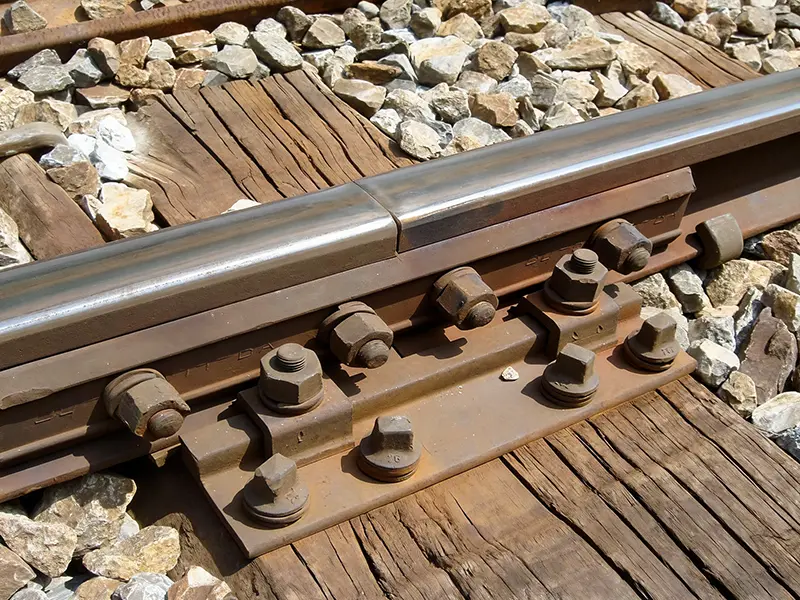
1.Why Might the Weight Vary Even for Fishplates of the Same Model?
The weight of a fishplate primarily depends on its dimensions, cross-sectional shape, and the amount of material used. For products of the same model, even when the same design and standards are followed, there may still be some variation in actual manufacturing dimensions.
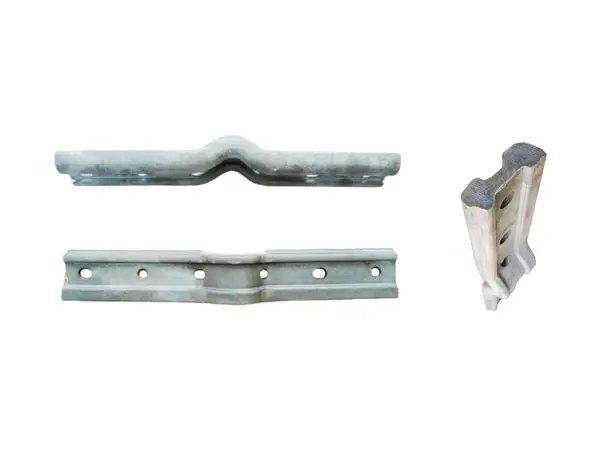
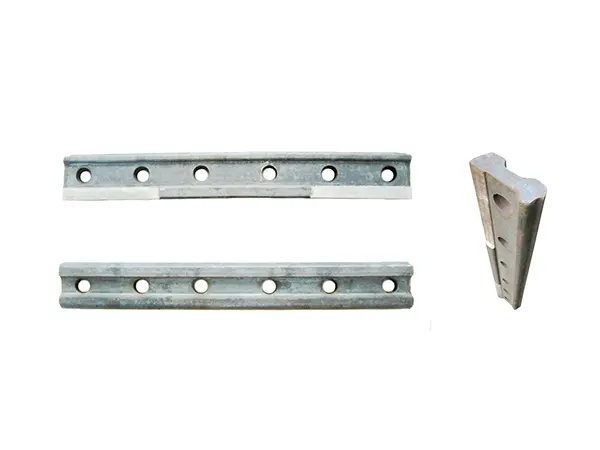
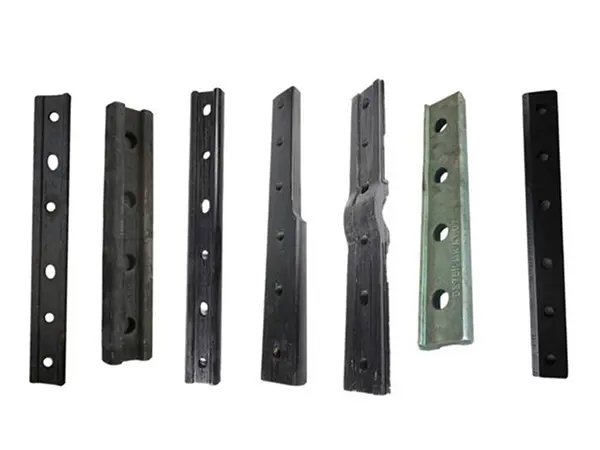
Dimensional Tolerances Affect Actual Weight
Taking the relevant standards for light rail tail plates as an example, the GB 11264-2025 standard specifies the following permissible dimensional tolerances:
| Inspection Item | Permissible Tolerance |
|---|---|
| Length | ±3.00 mm |
| Thickness | ±0.50 mm |
| Hole Diameter | ±0.75 mm |
| Hole Spacing | ±0.75 mm |
These tolerances define the permissible range of variation in product dimensions. In actual production, the dimensions of finished products from different batches or suppliers may vary.
Among these, variations in length and thickness directly affect the amount of material used in the fishplate; variations in hole diameter also affect the amount of material removed. Hole spacing, on the other hand, primarily relates to hole positioning accuracy and assembly requirements and does not directly determine material usage.
Therefore, even if two suppliers produce fishplates of the same model that comply with the same standards, the actual weighing results may differ. However, the specific weight difference depends on the actual dimensions; a fixed weight difference cannot be calculated based solely on standard tolerances.
2. Light Rail Fishplate Weight References
The following are theoretical weight reference values for light rail fishplates taken from corresponding standard documents, which can be used to gain a preliminary understanding of the weights of different specifications.
| Rail profile | Theoretical weight per piece |
|---|---|
| 9 kg/m | 0.81 kg |
| 12 kg/m | 1.39 kg |
| 15 kg/m | 2.20 kg |
| 22 kg/m | 3.80 kg |
| 30 kg/m | 5.54 kg |
These values correspond to specific standards and product specifications and should not be directly applied to all fishplates of the same model. When making actual comparisons, it is also necessary to verify the specific type, drawings, dimensional requirements, and the applicable gauge for the weights listed in the table.
For lighter fishplates, even a small weight difference per piece can accumulate into a significant total weight discrepancy during bulk purchases. Therefore, when comparing supplier quotes, it is important to pay attention not only to the weight per piece but also to verify the weight calculation method for the entire order.
3. What is the difference between theoretical weight and actual weight?
The weight listed in fishplate quotes may be derived from theoretical calculations or from actual weighing of the finished product; these two should be distinguished.
Theoretical weight is derived from specified dimensions and applicable calculation methods; actual weight is obtained by weighing the finished product. If there are discrepancies in the finished product’s dimensions, or if the parties use different weight calculation standards, the reported weights may differ.
When requesting a quote, you should focus on confirming the following three points:
- Single piece or a pair: Two fishtail plates typically form a pair; do not confuse the weight of a single piece with that of a pair.
- Theoretical weight or actual weight: Confirm which weight the supplier uses as the basis for the quote.
- Whether accessories are included: Determine whether bolts, nuts, and washers are included in the quote and weight calculations.
If there is a significant discrepancy in weight between two quotes, you may request that the supplier provide actual dimensions, drawings, or weighing records for further verification. A weight discrepancy alone does not prove that a product is compliant or non-compliant; the final determination must still be based on applicable standards and project technical requirements.
4.Why Does the Weight of a Fishplate Affect the Price?
The material cost of a tailplate is directly related to the amount of material used. For products with similar materials, structures, and other production conditions, heavier tailplates typically require more raw materials, so the material cost may also be higher.
However, the final quote is not determined solely by weight. Factors such as material grade, manufacturing processes, inspection requirements, packaging, and shipping also affect the price.
Points to note when purchasing: A heavier weight does not necessarily indicate better product quality, nor does a lighter weight necessarily mean the product is substandard. If the actual dimensions fall within the standard tolerance range, you should determine the product’s suitability based on project requirements, rather than judging its quality or value for money solely by weight.
How do weight differences affect bulk purchases?
Suppose you are purchasing 1,000 pairs of fishtail plates. Supplier A quotes a weight of 7 kg per pair, while Supplier B quotes 8 kg per pair.
If the weight measurement ranges for both suppliers are consistent, the theoretical weight difference for the entire order would be 1,000 kg. This could affect the purchase price—if priced per metric ton—as well as shipping costs.
It is important to note that this is merely a hypothetical example used to illustrate the calculation method and does not represent the actual weight or market price of any specific standard specification.
When comparing final costs, you should also verify the unit price, pricing unit, accessories, packaging, applicable taxes and fees, shipping costs, and delivery terms such as EXW, FOB, and CIF.
5.How to Compare Quotes for Fishplates from Different Suppliers?
When you notice discrepancies in weight and price among suppliers, do not immediately conclude that one supplier’s product is better or worse than another’s. We recommend first verifying the following information:
| Item to Check | What to Confirm |
|---|---|
| Rail Profile and Applicable Standard | Whether both products meet the same specifications |
| Fishplate Drawing and Dimensions | Whether length, thickness, cross-sectional shape, and hole arrangement meet the requirements |
| Dimensional Tolerances | Whether the product complies with the applicable standard and project requirements |
| Material Requirements | Material grade and required mechanical properties |
| Weight Basis | Weight per piece or per pair; theoretical weight or actual measured weight |
| Accessories | Whether bolts, nuts, and washers are included |
| Inspection Documents | Whether material certificates and inspection records meet project requirements |
| Quotation Terms | Pricing method, packaging, taxes, transportation, and delivery terms |
It is only meaningful to compare prices after both parties have agreed on the specifications and scope of supply. If the weights differ, the actual dimensions and weighing methods should be verified first to determine whether the discrepancy is reasonable.
6. How does Glory Rail help customers control the procurement costs of fishplates?
When procuring fishplates, reasonable cost control does not mean simply pursuing lighter products; rather, it involves selecting specifications that meet actual usage needs while complying with applicable standards and project technical requirements.
Based on the rail model, applicable standards, fishplate drawings, and project requirements provided by the customer, Glory Rail can assist in verifying product specifications and weight parameters to avoid quotation errors caused by differences in specification interpretation or weight calculation methods.
For projects with clearly defined dimensional and performance requirements, we confirm product specifications based on relevant standards and technical requirements. While ensuring compliance with track connection, assembly, and project safety requirements, we select appropriate standard specifications to help customers effectively manage material usage, procurement costs, and transportation costs.
If you notice discrepancies in the weights of fishplates quoted by different suppliers, please provide Glory Rail with product drawings, specification documents, or weight information from existing quotes. We can help verify product dimensions, tolerance requirements, and weight calculation methods, enabling you to more accurately compare quotes from different suppliers once you have confirmed that the specifications meet your project requirements.