
In the demanding industrial environments of the United Arab Emirates, the durability and performance of rail systems are critical. JIS 50N rails, commonly used in heavy-duty industrial track applications, must withstand extreme weather conditions, sand abrasion, and corrosive elements. To ensure these rails deliver reliable service over time, rail painting and surface anti-corrosion treatment play a vital role in protecting both the rail surface and structural integrity.
Importance of Rail Painting in Industrial Rail Systems
Rails exposed to harsh environments face accelerated wear, corrosion, and surface degradation. Without adequate protection, the metallic surface can develop rust and corrosion. This damage compromises both appearance and the rail’s load-bearing capacity.
Rail painting provides a protective barrier that significantly reduces oxidation and corrosion caused by moisture, salt, sand, and temperature fluctuations. In industrial systems like those in the UAE, rail infrastructure faces intense sun exposure and abrasive desert conditions. An effective coating is indispensable in such environments.
Overview of the JIS 50N Rail Surface Coating Project
For our UAE client, the project involved supplying JIS 50N rails with advanced surface treatments tailored specifically for the regional climate. The JIS 50N rail, adhering to Japanese Industrial Standards, is a high-strength crane and industrial rail type designed to carry heavy loads with high impact resistance.
Given the client’s operational environment, we implemented a multi-layer rail painting solution focused on corrosion prevention and extended service life:
- Surface Preparation
Proper surface preparation is the foundation of any successful coating. The rails underwent abrasive blasting to remove rust, mill scale, and contaminants, creating a clean and roughened surface profile. This process ensures optimal adhesion of subsequent paint layers. - Primer Application
A high-performance epoxy primer was applied to provide excellent adhesion and corrosion resistance. The primer acts as a base coat that bonds strongly to the steel substrate and offers initial protection against moisture ingress. - Intermediate Coating
For enhanced durability, an intermediate epoxy or polyurethane coating was added. This layer increases film thickness, improves mechanical resistance, and acts as a second corrosion barrier. - Topcoat Finishing
The final topcoat layer consists of UV-resistant polyurethane paint, designed to withstand intense sunlight and extreme temperatures common in desert environments. The topcoat ensures color retention, gloss, and long-term weather resistance.
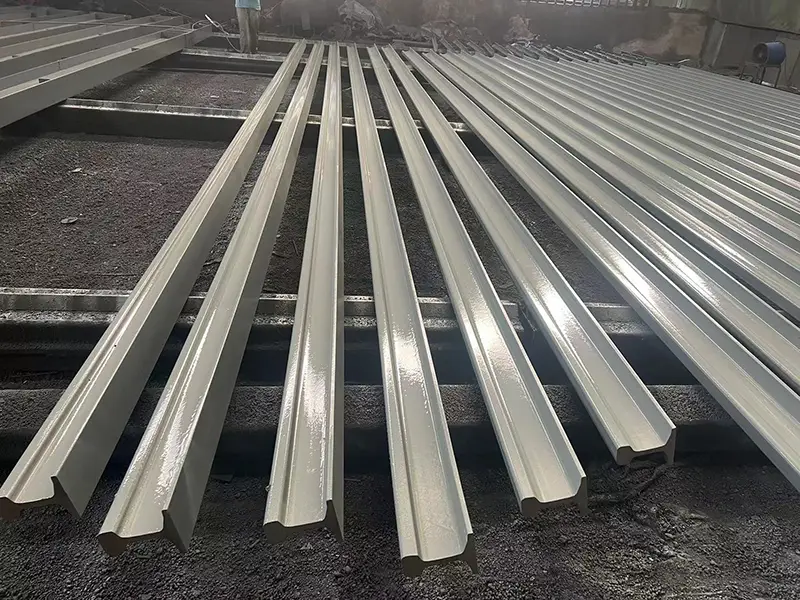
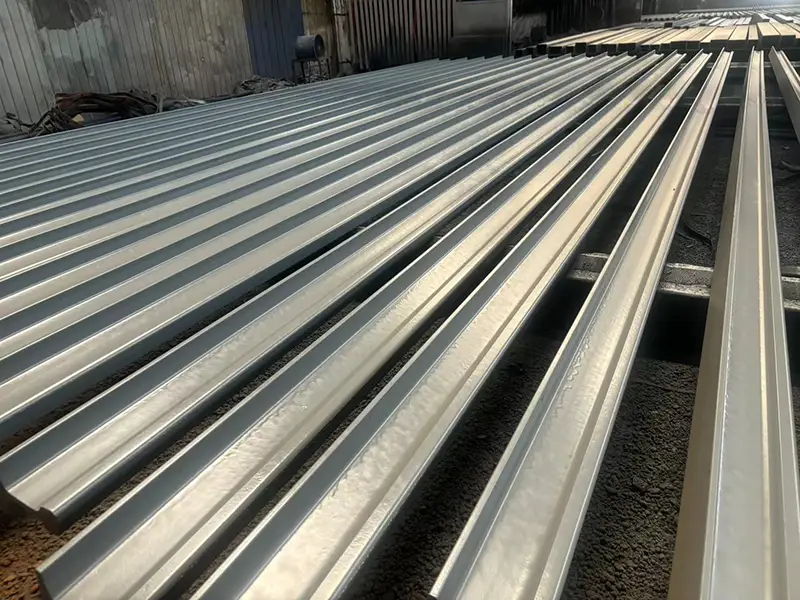

Key Benefits of the Rail Painting Process
- Corrosion Resistance: Multi-layer coating effectively isolates the steel surface from corrosive agents such as salt spray and humidity.
- Mechanical Protection: Abrasion and impact resistance protect the rail surface from wear caused by heavy crane wheels and material handling operations.
- Extended Service Life: Proper coating reduces maintenance frequency and prolongs rail replacement intervals, saving costs.
- Improved Safety: Preventing surface degradation maintains the rail’s structural integrity, reducing risks of rail failure.
- Environmental Adaptability: The tailored paint system addresses challenges posed by high UV radiation and temperature variations.
Technical Considerations and Standards
The rail painting system complies with international coating standards. It is customized for JIS 50N rails used in industrial track systems. Surface cleanliness is verified to Sa 2½ standard per ISO 8501-1 after blasting. Coating thickness is strictly controlled, with a typical total dry film thickness (DFT) of 150 to 250 microns, depending on client requirements.
The primer and intermediate coatings meet or exceed ISO 12944 standards for corrosion protection of steel structures. These are adapted to the specific operational stresses of rails. Additionally, the topcoat formulation is selected for excellent weathering performance, which is a critical factor in the UAE desert environment.
Challenges in Rail Painting for Harsh Environments
Applying high-quality coatings on rails intended for desert and industrial use requires addressing several challenges:
- Temperature Control: Coating application and curing must be managed to prevent defects caused by extreme heat or rapid drying.
- Surface Contamination: Dust and sand particles pose a contamination risk, necessitating controlled environments or careful scheduling.
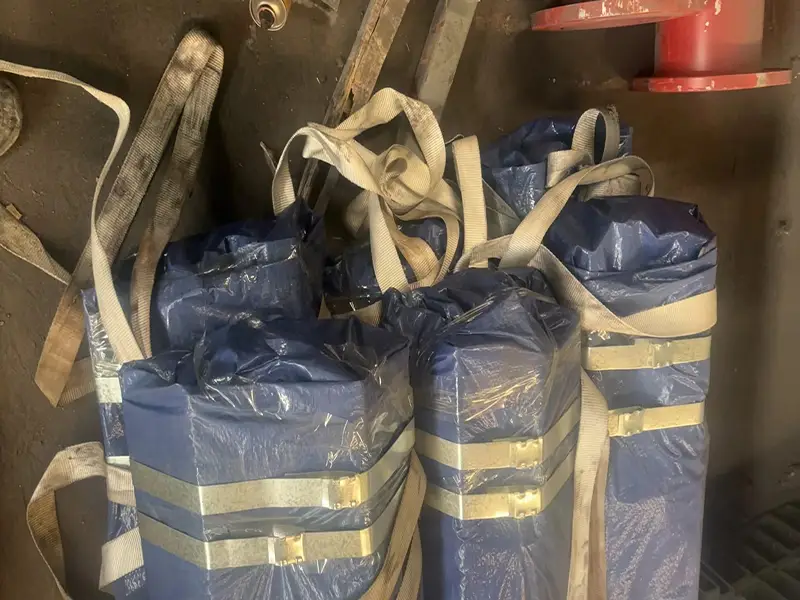
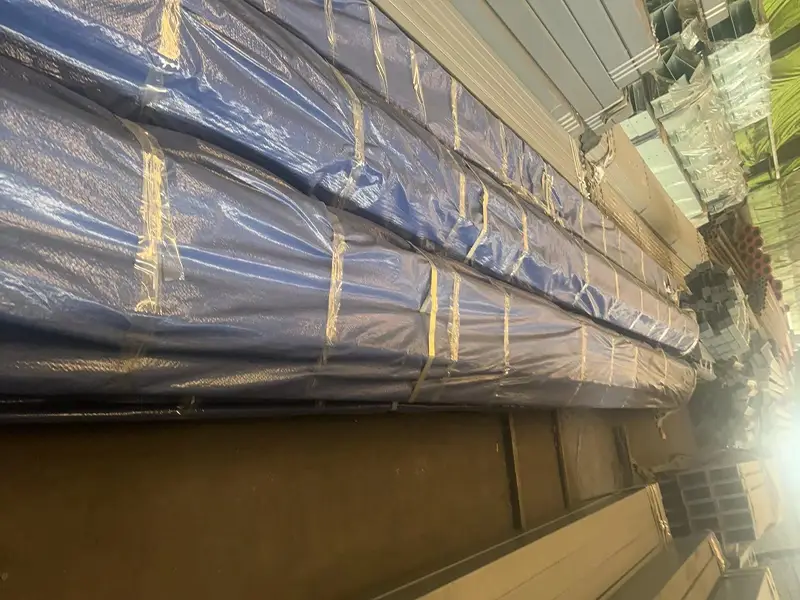
- Mechanical Handling: Rails must be coated without damage during transport or installation, requiring robust coatings with good flexibility and adhesion.
Our project team worked closely with coating manufacturers and logistics partners to optimize every step and ensure delivery of finished rails meeting the highest standards.
Conclusion
Rail painting is a critical process for maintaining the longevity and reliability of industrial rails such as JIS 50N, especially under harsh environmental conditions like those found in the UAE. By utilizing advanced surface preparation, multi-layer epoxy and polyurethane coatings, and strict quality control, our rail coating project ensures superior corrosion protection, mechanical resilience, and service life extension.
For industrial rail systems operating in challenging climates, investing in professional rail painting solutions translates directly into safer operations, reduced maintenance costs, and enhanced asset value.
If you are interested in learning more about our rail coating capabilities or need customized solutions for your rail infrastructure, please contact us at railroadtrackforsale.com.