
Introduction
In modern rail transit systems, the fish plate (also known as a rail joint bar), while seemingly ordinary, serves as a critical component in ensuring train operational safety. As the core connector for rail joints, it integrates steel rails into a continuous structure through high-strength mechanical fastening. It must withstand dynamic impact loads from train wheelsets and adapt to thermal expansion stresses in rails. With the development of high-speed and heavy-haul railways, the mechanical performance and durability of fish plates directly determine the smoothness and operational safety of track systems. This article systematically analyzes the technical essence of this “rail joint” from the perspectives of design principles, selection criteria, installation techniques, and maintenance strategies.
Working Principles of Fish plates
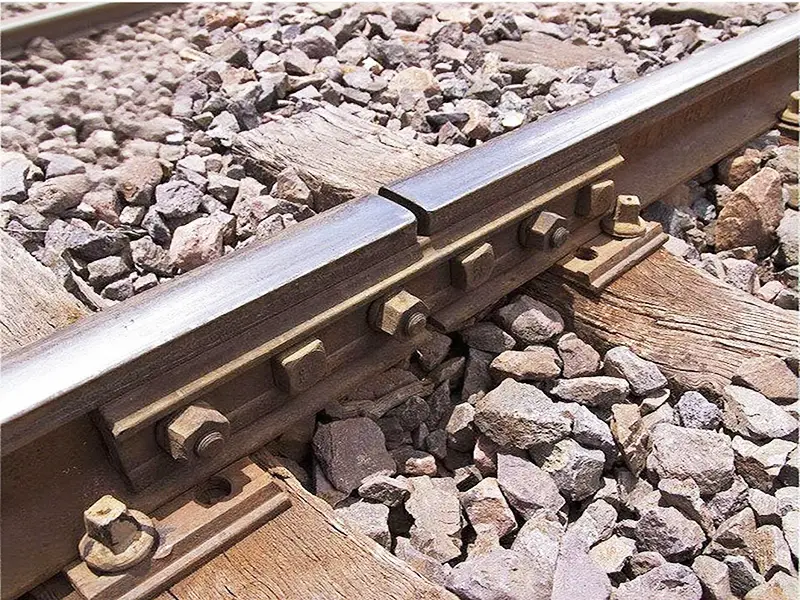
The core function of a fish plate lies in forming a rigid node through bolted connections to resist bending moments, shear forces, and lateral displacement at rail joints. Its design must meet two critical requirements:
1.Structural Compatibility: The upper and lower working surfaces of the fish plate adopt slopes matching the rail head and base, ensuring tight contact. When bolts are tightened, friction between the fish plate and rail effectively transfers loads and suppresses rail head misalignment.
2.Dynamic Adaptability: Thermal expansion and contraction of rails are accommodated by a reserved rail gap (standard 6–8 mm), while the fish plate material must possess sufficient toughness to absorb impact energy.
Key Factors in Fish plate Selection
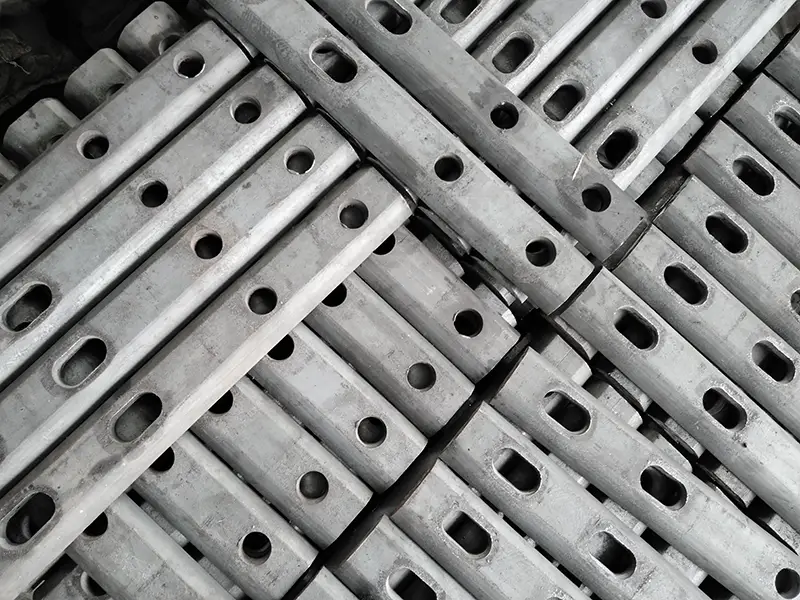
Rail Type: Fish plates must match the rail profile. Different rail types (e.g., 38 kg/m, 50 kg/m) require fish plates of corresponding dimensions and shapes.
Track Gauge: The distance between the inner sides of two rails dictates the required fish plate size and geometry.
Train Load: Heavy-haul lines demand thicker, sturdier fish plates to withstand higher pressures.
Connection Method: Bolted, welded, or other connection methods influence fish plate specifications.
Standards and Regulations: Industry standards ensure safety, reliability, and cost-effectiveness by specifying technical requirements and applications for fish plates.
Installation Process: Precision Operations for Optimal Performance
Installation quality directly impacts joint longevity. Standardized procedures include:
1.Preparation
1)Inspect rail ends: Ensure no cracks or deformation; flatness tolerance ≤0.5 mm.
2)Clean rail surfaces: Remove oil, rust, and contaminants to ensure uniform stress distribution.
3)Material preparation: Select fish plates and high-strength bolts (e.g., Grade 8.8) based on rail type.
2.Positioning and Fastening
1)Align fish plates symmetrically on both sides of the rail joint, matching bolt holes.
2)Pre-tighten bolts: Tighten central bolts diagonally first, followed by side bolts in 2–3 stages to achieve specified torque (e.g., 300–400 Nm for 38 kg/m rails).
3.Inspection and Adjustment
1)Measure rail gap: Use feeler gauges to verify compliance (allow larger gaps in winter).
2)heck alignment: Ensure smoothness with straightedges or laser detectors (height *difference ≤0.3 mm).

Maintenance Strategy: Preventive Measures to Extend Service Life
Fish plate failures often stem from fatigue cracks or bolt loosening. Mitigate risks through:
Periodic Inspections: Monthly torque checks on bolts; quarterly crack detection via non-destructive testing.
Surface Treatment: Apply anti-corrosion grease to reduce fretting wear.
Scenario-Specific Reinforcement: Use stainless steel fish plates in tunnels for enhanced corrosion resistance; thickened plates in switch areas for complex stress management.
Conclusion
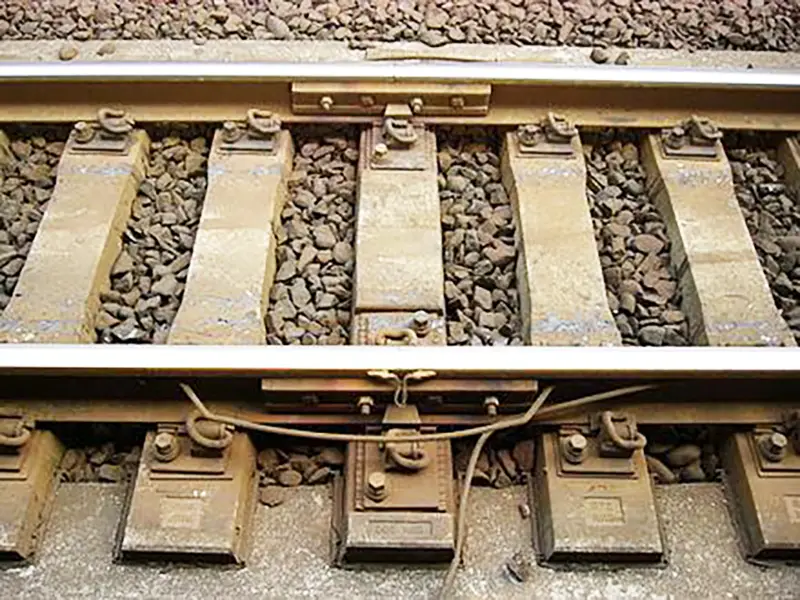
As the “joints” of a track system, fish plates embody the precision of railway engineering. Glory Rail, a leader in the rail industry, provides internationally compliant fish plates and offers customized solutions. Through scientific selection, precise installation, and systematic maintenance, fish plates will continue to deliver reliable performance for efficient rail network operations.
Choose Glory Rail—Where Every Rail Connection Becomes a Foundation of Safety and Efficiency.